To develop your project
How it all started
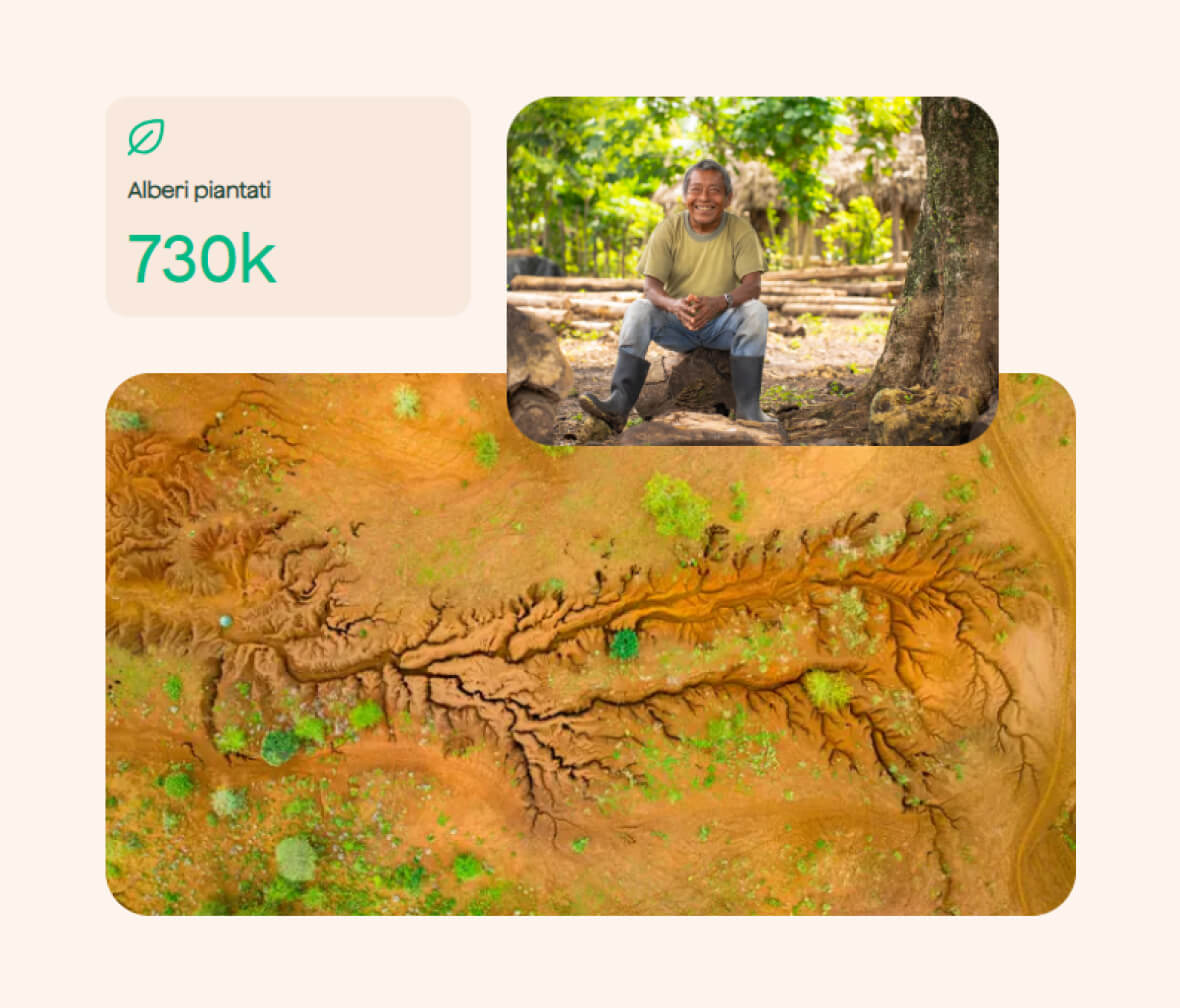
The project was initiated by zeroCO2, a benefit corporation and B Corp actively engaged in fighting climate change, with the goal of creating a new and innovative platform. This platform would enable companies and individuals to immerse themselves in an experience of monitoring and reforesting forests. The solution aimed to provide greater visibility to sustainable projects undertaken by companies and individual users, contributing to reversing the climate emergency and positively impacting the environment through tree adoption.
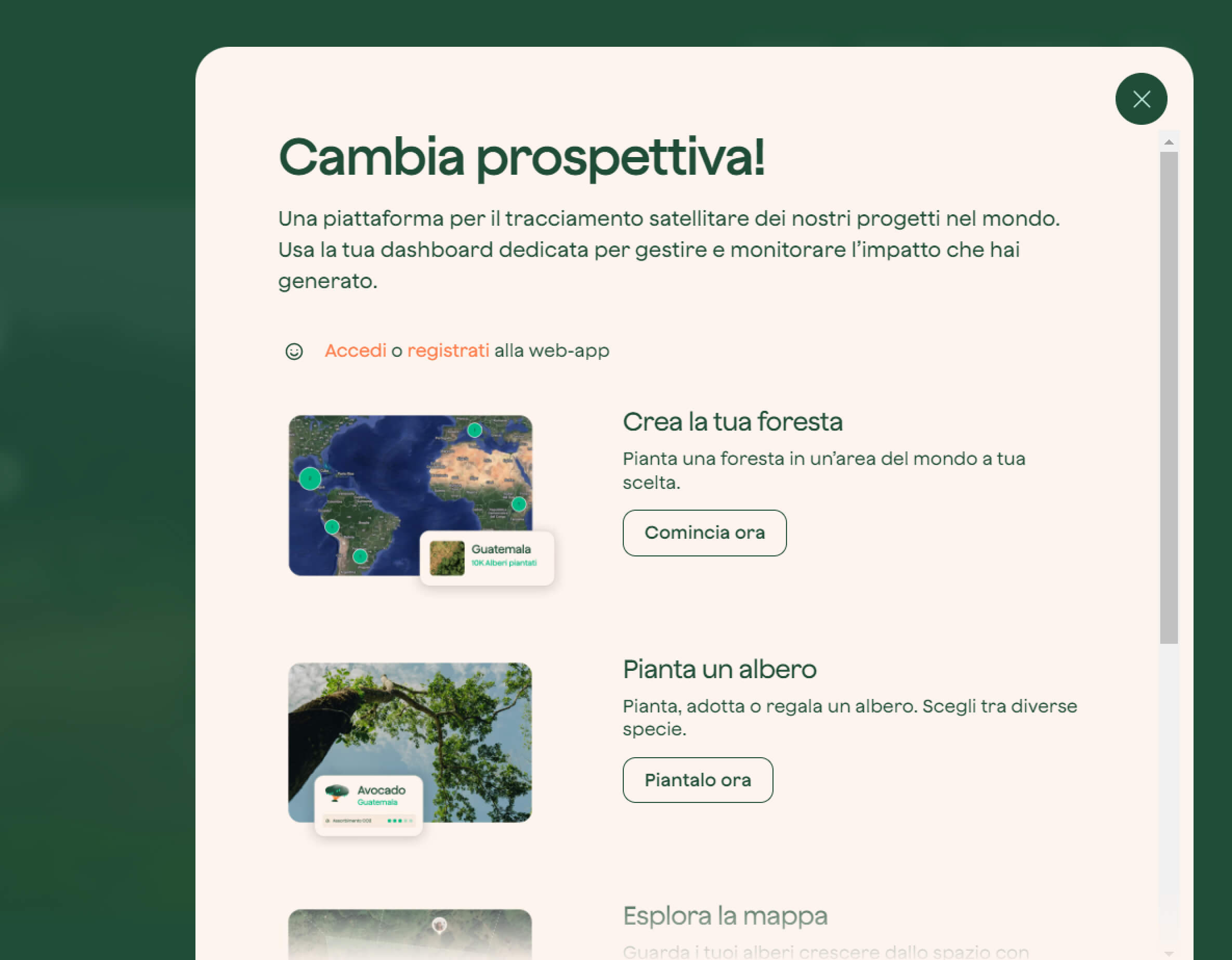
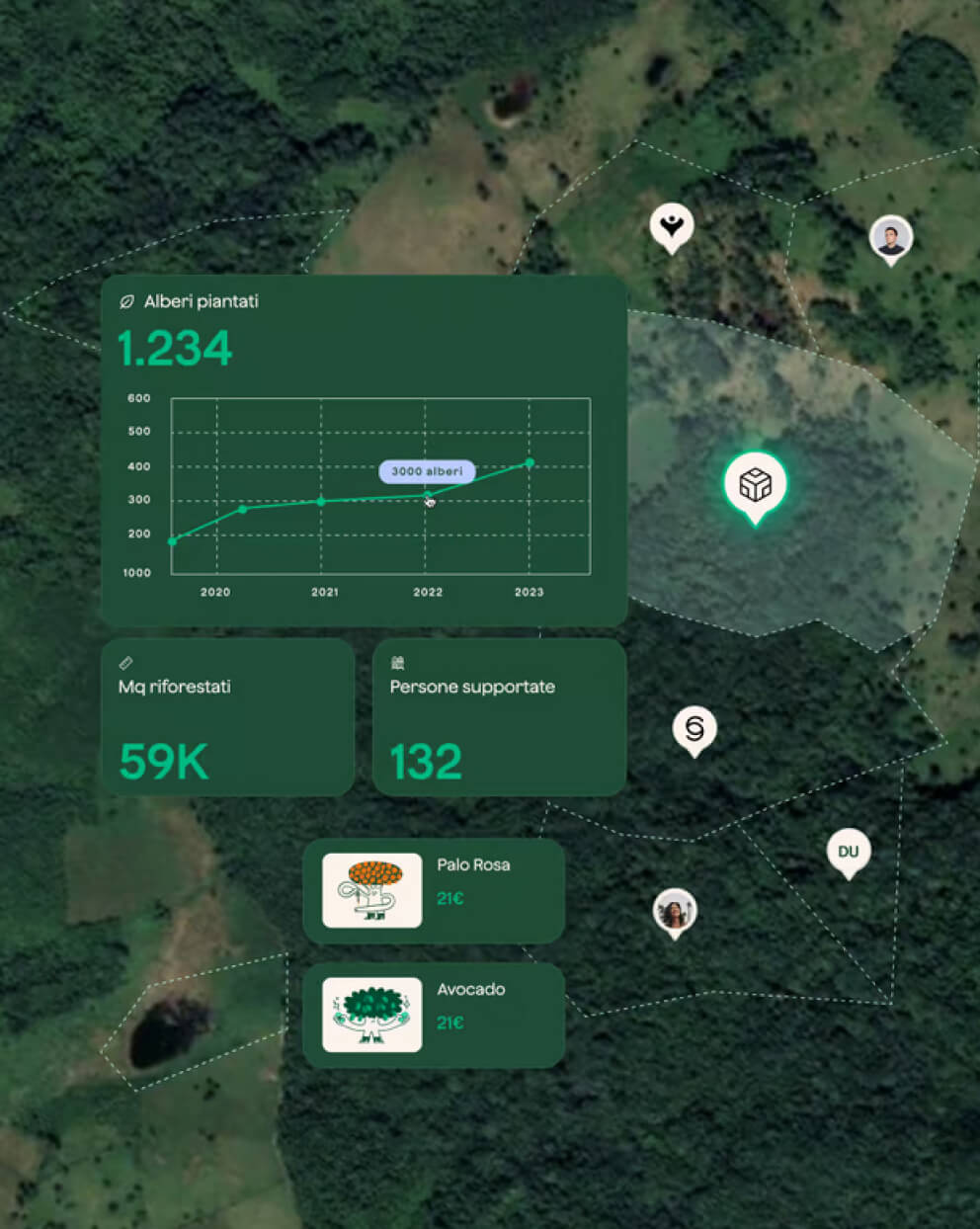
Thanks to the maps and satellite images utilized by Synesthesia with the support of Apart, it is possible to monitor reforestation projects and gain a clear and comprehensive view of the contribution made by companies or individual users on social and environmental impact.
The solution
Synesthesia developed the platform’s back office using Directus (CMS) technology. This allows the client to monitor entries and registrations of companies and individuals joining the project by purchasing trees or building forests. For the front end, the Synesthesia Technologies team created the web app interface. Thanks to NEXT.JS technology, they implemented various functionalities.
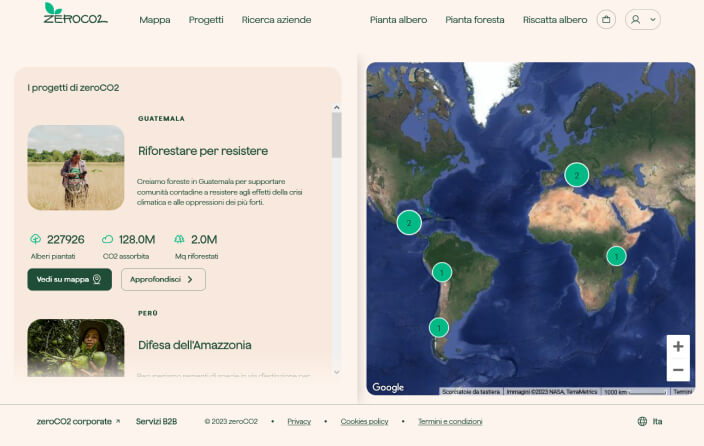
- MAP SECTION Synesthesia handled the localisation of entire sections of forests or detailed parts of them. Each time a purchase is made by a buyer, the database is updated, providing useful information on the number of trees still available or how many have already been sold. A custom map was created that interfaces with Google Maps.
- SHOP SECTION
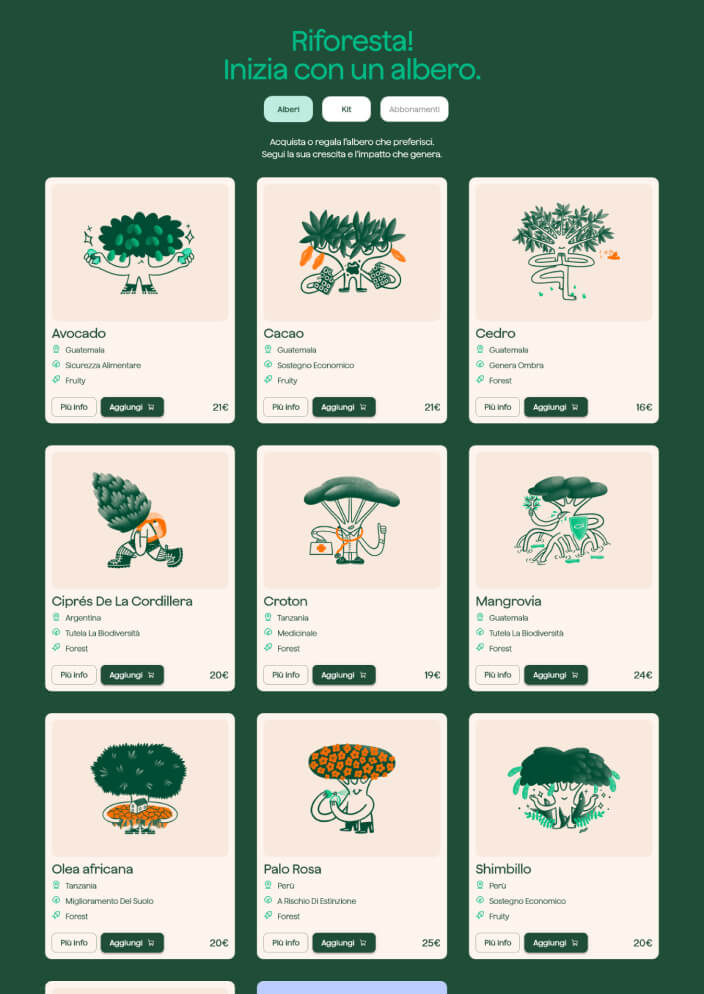
The shop section targets two audiences: B2B clients, who buy tree bundles, and B2C users, who purchase one or more trees. Sales happen through two modes. “PLANT A TREE” lets users choose the species and project, with an optional subscription. “PLANT FORESTS” requires buying at least 10 trees in a specific project.
- SECTION ON INFORMATION ABOUT THE TREE TO BE PLANTED
In this section, it is possible to obtain more details on the social impact of the tree, its support for biodiversity, and its CO2 absorption rate. This section can also be accessed through the shop section.
- SECTION DEDICATED TO COMPANIES THAT HAVE JOINED THE REFORESTATION PROJECTS
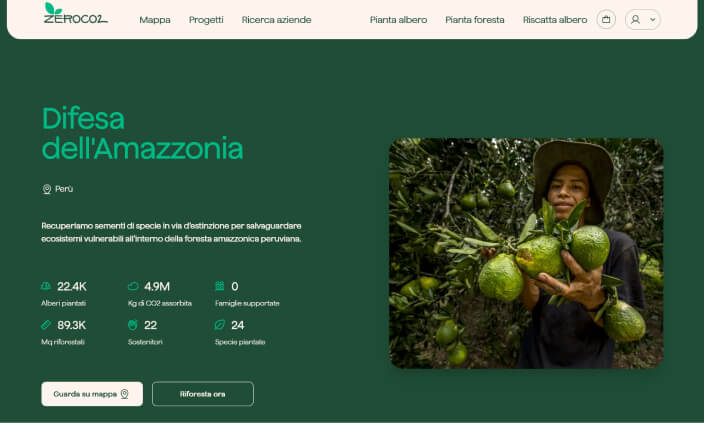
This section contains all the relevant information (number of trees planted, species, number of active projects per year, square meters of reforestation, location, and the amount of CO2 absorbed, supported by graphs). All companies have access to a landing page where they can share the green initiatives they are part of and their contact details.
Results
As stated by Francesco Ronchi (President and founder of Synesthesia):
“The zeroCO2 project reflects our values, our vision, and our sustainable way of doing business. For these reasons, we didn’t hesitate for a moment to accept this challenge. Our Technologies team worked with professionalism and passion to develop the innovative zeroCO2 platform, enabling everyone—not just companies—to actively participate in the sustainable revolution. Making the world a better place through technology is possible. I am convinced that innovation and digital tools are the most suitable means today to help companies become more aware of their social and environmental impact on the territory”.
As stated by Nicolò Pesce (Brand and Product Manager of zeroCO2):
“The new monitoring system developed with APART and Synesthesia uses maps and satellite images to accurately track reforestation projects in forests around the world, with the aim of providing a clear and complete view of the contribution of companies and individuals to global reforestation, as well as the social impact generated on local farming communities. […] What we have built with indigenous communities and our partners so far is so large that it can be seen from space: this is why we designed a platform that allows us to monitor our reforestation projects through satellite technology. We have shifted our perspective and no longer focus solely on the impact of individual trees, but rather on the strength of an ecosystem that intertwines nature, companies, farming communities, and individuals who, with their choices, decide to have a positive impact on the planet. Because together, we are a forest”.
To realize your project
How it all started
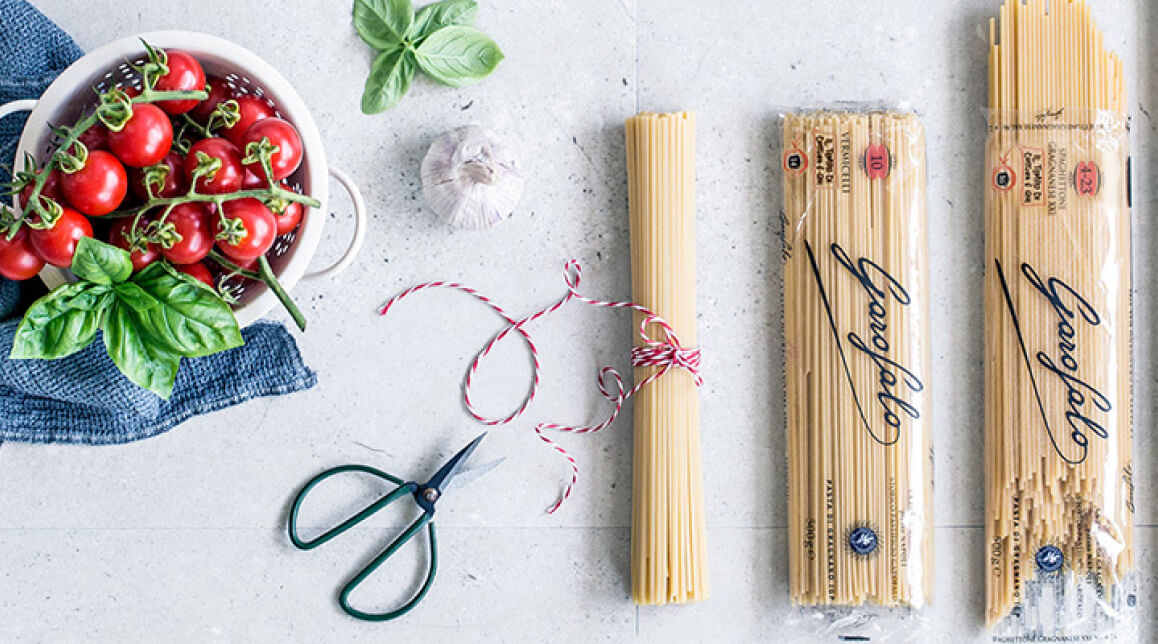
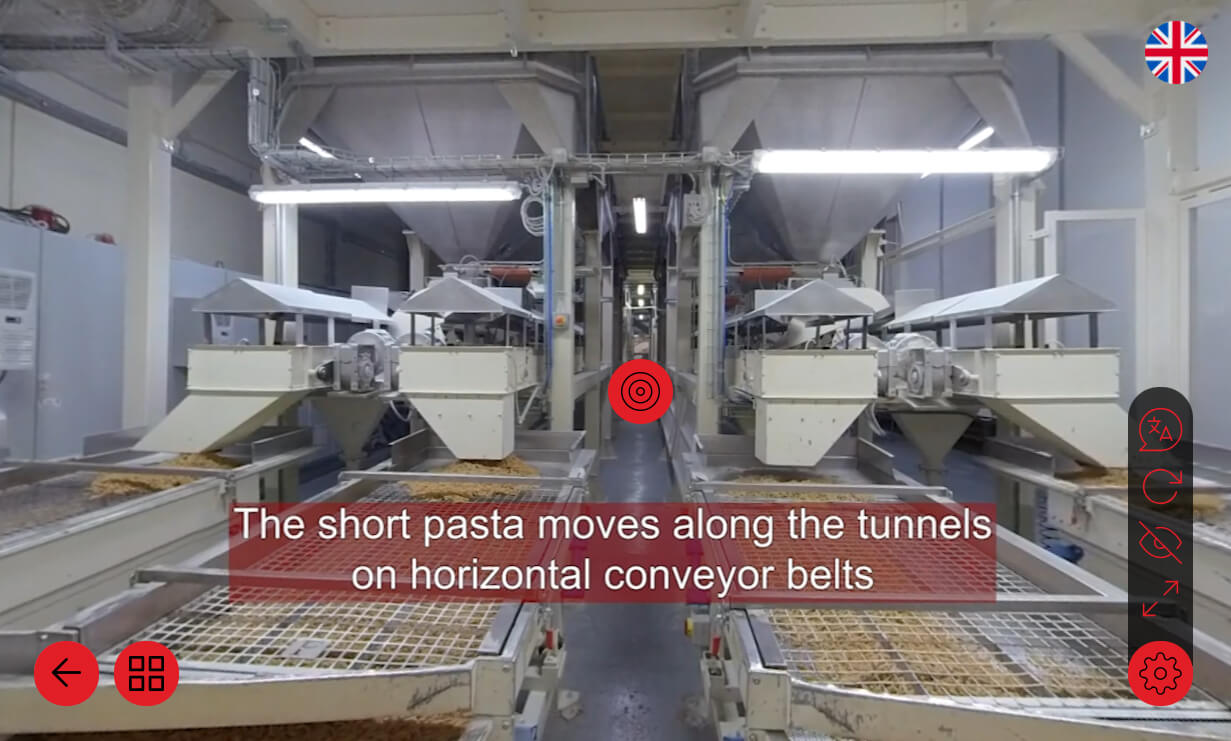
To showcase its production process, Pasta Garofalo, a historic Italian pasta manufacturer, decided to open the doors of its factory in Gragnano (NA).
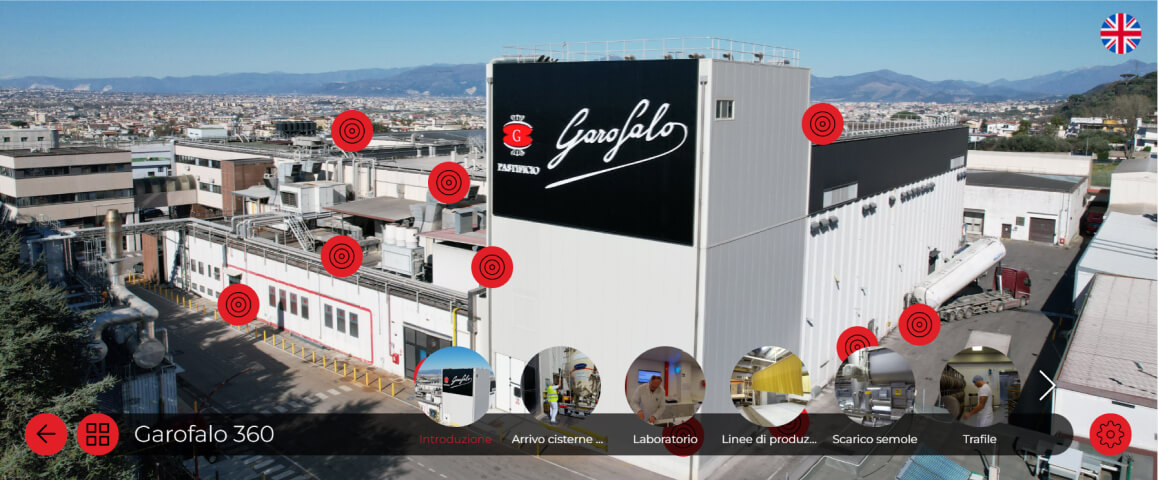
The marketing teams of Synesthesia and Perabite were involved in this project, creating an immersive 360° virtual tour (VR) with voice-over.
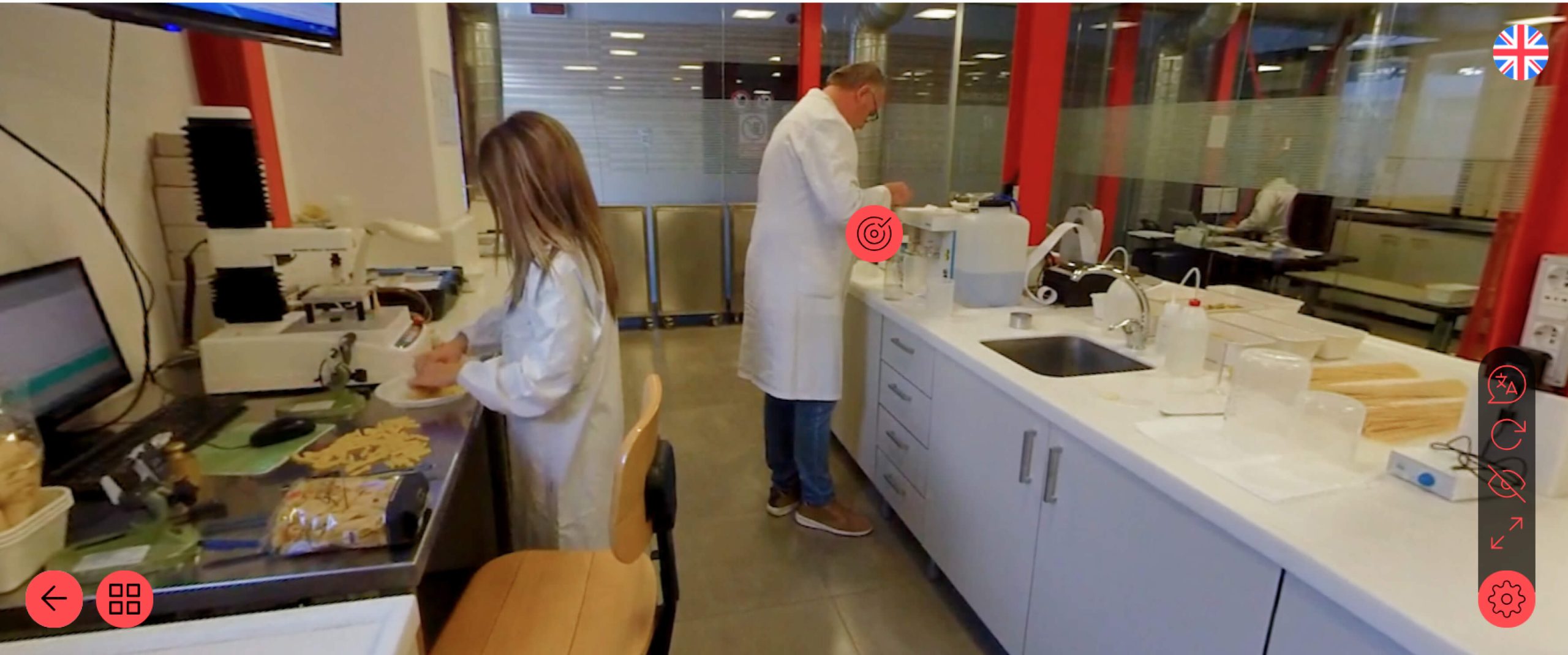
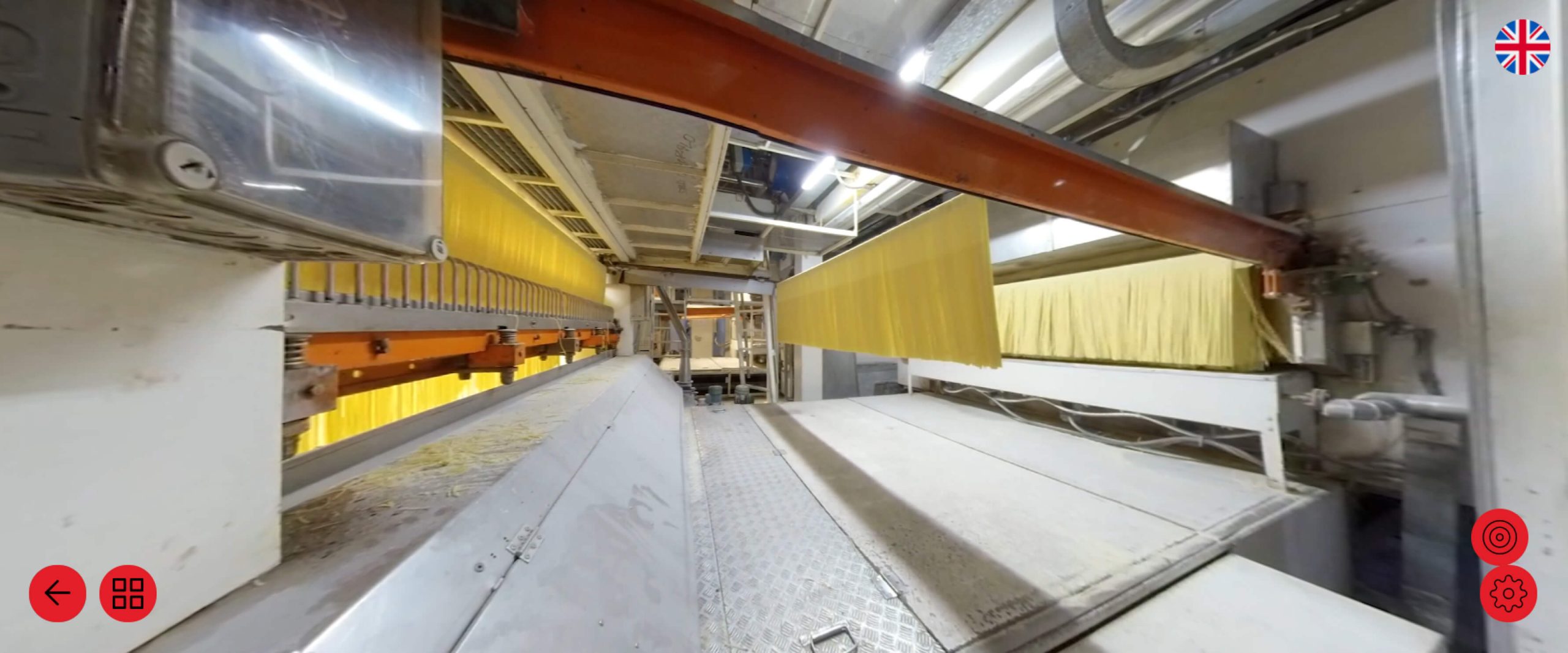
This is a fully interactive digital experience, allowing users to explore various areas of the factory in a three-dimensional environment. The journey takes users from the arrival of the wheat to the packaging preparation, immersing them in the passion of the employees who make Pasta Garofalo unique and renowned worldwide.
The solution
After identifying the areas of interest within the factory in collaboration with the client, video footage was captured. The video content was then edited, complete with English subtitles, an Italian voice-over, and integrated into Pasta Garofalo’s digital platform, developed by Synesthesia.
The itinerary is fully navigable: starting from an initial map of the factory, users can explore all the sections step by step.
Results
“From today, it is possible to virtually visit our historic Lucio Garofalo Pasta Factory. You can discover every area of our production facility, step by step, witnessing each stage in the creation of our pasta formats. […] We show you the places where our pasta is born in 360°, thanks to an experience enriched over time and the passion of a team that brings the Gragnano tradition to life every day. This was made possible thanks to the collaboration with Synesthesia, which fully captured the places closest to our hearts”.
[Pasta Garofalo, LinkedIn, 30 September 2023]
To develop your project
How it all started
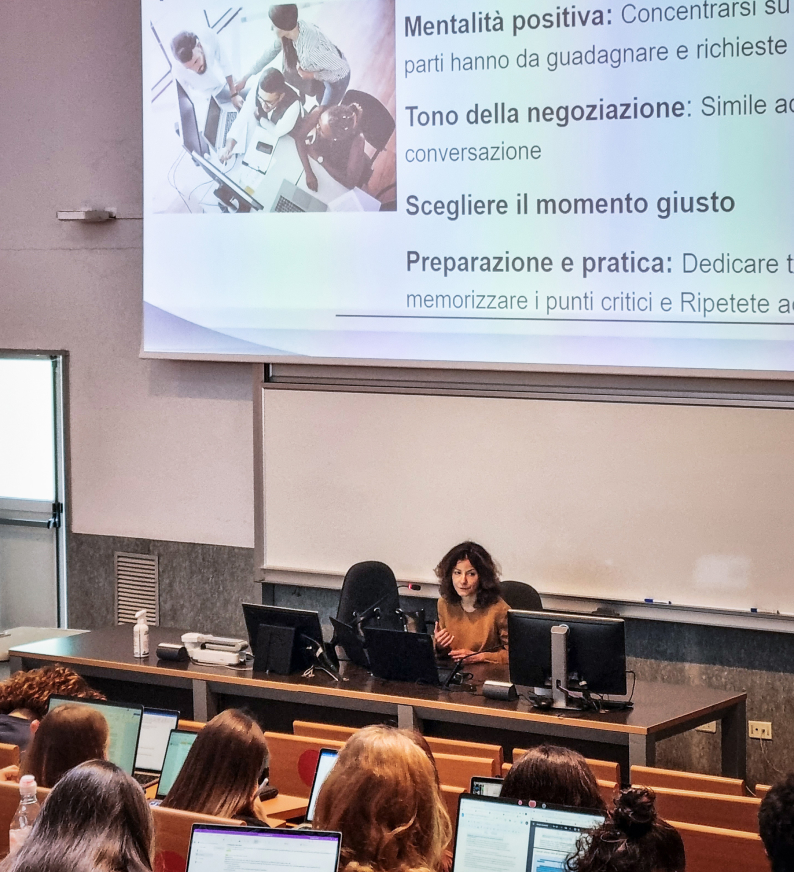
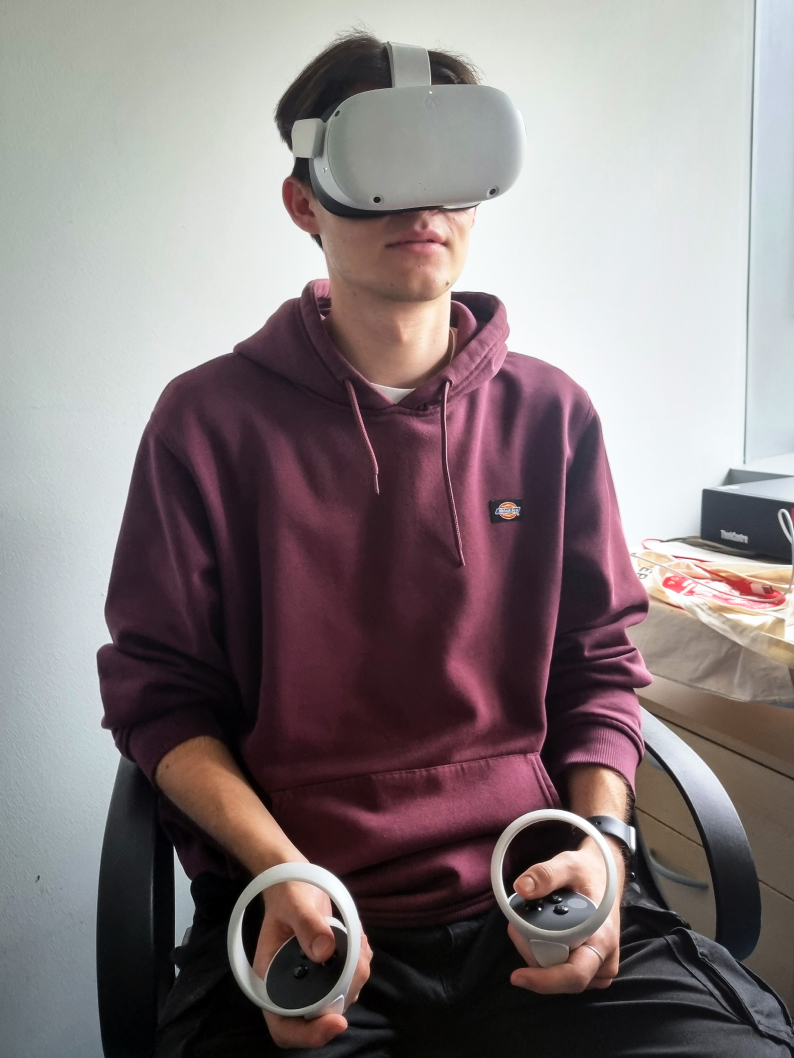
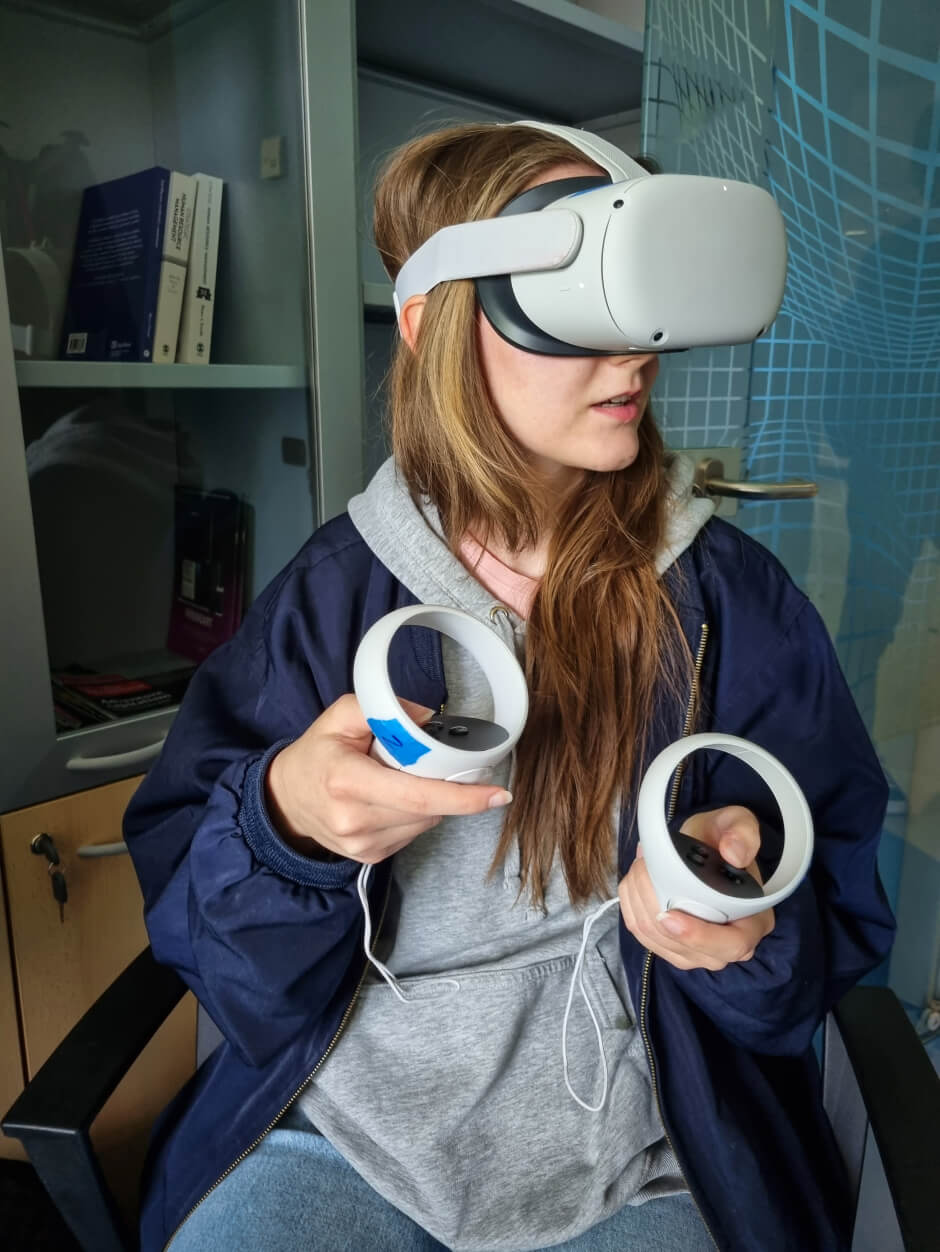
During the lectures for the course “Economics and Management of Enterprises and Business Models,” Professor Paola Pisano, lecturer at the University of Turin and former Minister for Innovation and Digitalisation, dedicated a portion of her module to an innovative educational experiment conducted in the metaverse. This was made possible through the technological support of Meta and Synesthesia.
The project was promoted by the degree program in Social Innovation, Communication, and New Technologies, in collaboration with the Department of Culture, Politics, and Society, as well as the Department of Economics and Statistics “Cognetti De Martiis.”
The results of the project were positive, opening up future possibilities for the use of metaverse-related technologies in university lectures.
The solution
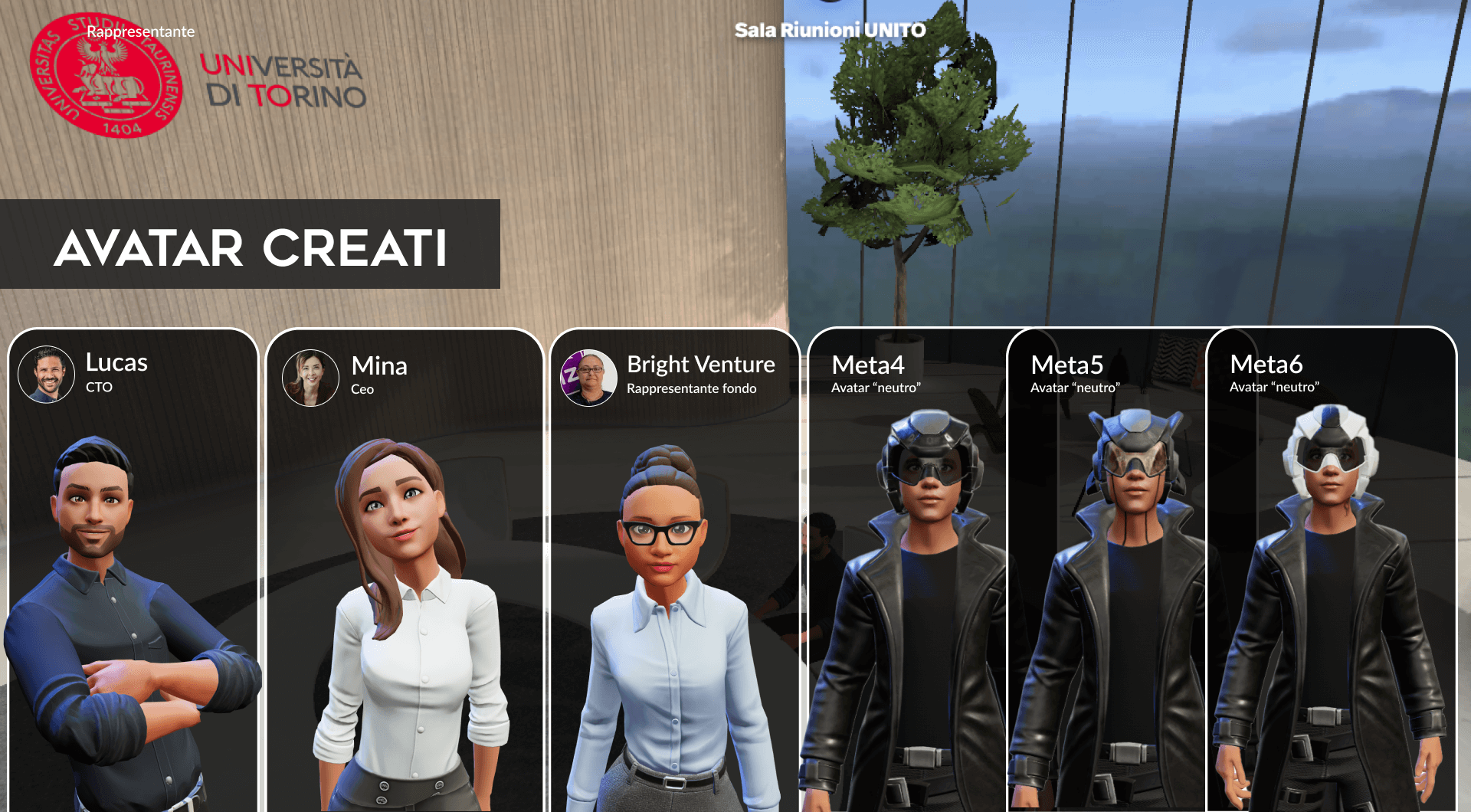
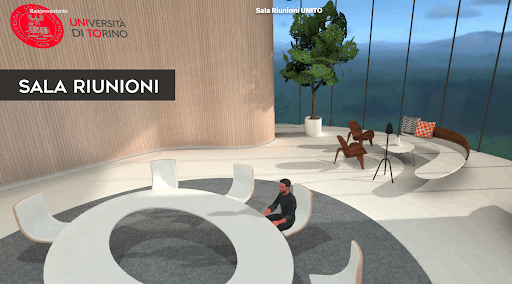
The lecture in the metaverse aimed to explore the use of technologies in education. During the experiment, the ICT degree program collaborated directly with Meta, which provided technological support, and Synesthesia, which handled the design of the environment and characters using Spatial, one of the leading virtual collaboration platforms.
An interesting detail is that the avatars used during the simulation were created with both gendered and “neutral” characteristics, meaning they were not identifiable by gender. Additionally, sociologists and psychologists were involved during the lecture to closely observe the course of the sessions.
Results
The project results were highly positive:
- Virtual reality made the lecture more engaging and motivating for students compared to traditional methods.
- Students had the opportunity to test a technology that many had never experienced before.
- There was a noticeable increase in their ability to apply theoretical concepts presented during the initial phase of the course.
- The students practised negotiations in the metaverse, improving their soft skills, such as understanding context and managing discussions to achieve better outcomes using avatars.
“From day one, Synesthesia approached the project not only as a technological provider but as an integral part of the University of Turin team. The project was developed comprehensively and flawlessly – from design to communication – meeting deadlines, identifying potential issues before they arose, proactively suggesting solutions, and building a strong relationship with researchers, professors, and students. Synesthesia’s approach is invaluable for all public and private organisations, like the University of Turin, that must tackle innovation and digital transformation projects quickly, using often unexplored technologies while adhering to bureaucratic constraints and rigorous methods to ensure the scientific validity of every process”.
(Professor Paola Pisano, former Minister for Innovation and Digitalisation).
To develop your app
How it all started
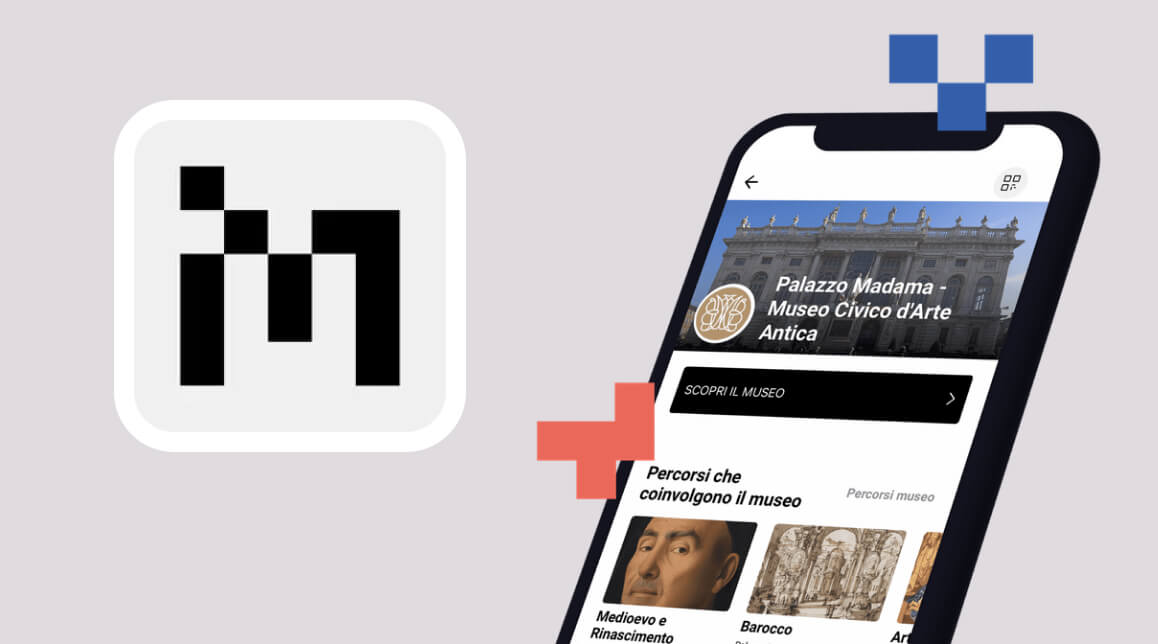
I-Muse project was born from a collaboration between the University of Turin and the Polytechnic University of Turin, supported by the Compagnia di San Paolo Foundation under the first edition of the “Artificial Intelligence” funding program.
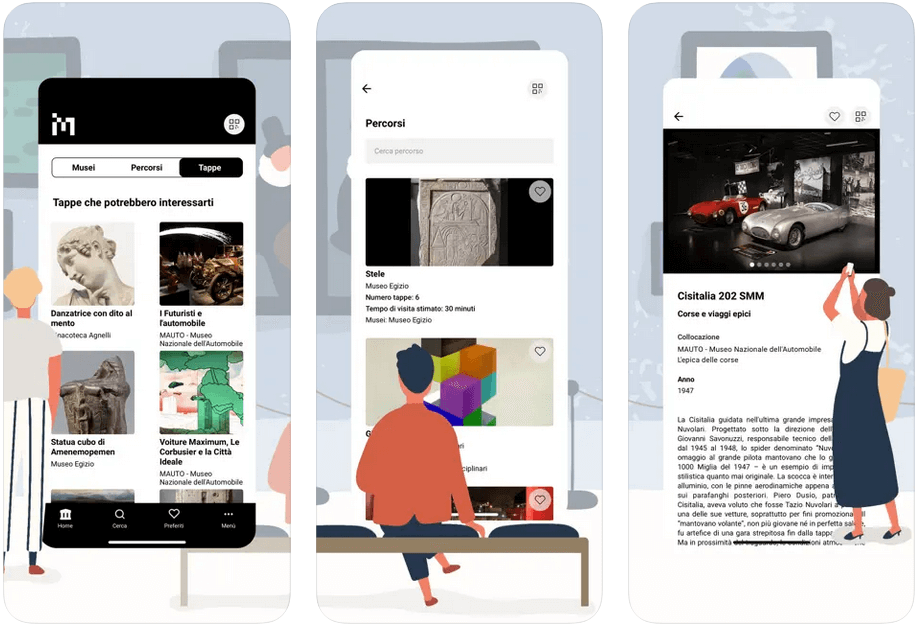
The mobile app, developed by Synesthesia, was created with the aim of revolutionising the visitor experience at eight of Turin’s most important museums: Reggia di Venaria Reale, Museo Egizio – Turin, Palazzo Madama, GAM – Civic Gallery of Modern and Contemporary Art, MAO – Museum of Oriental Art, National Cinema museum, National Automobile Museum, and Pinacoteca Giovanni e Marella Agnelli.
The solution
Synesthesia developed the mobile app‘s front end (available for iOS and Android) and its back end/office.
Artificial Intelligence (CoreAI), developed by the University of Turin and the Polytechnic University of Turin, plays a crucial role by creating an ideal itinerary for visitors. It selects and matches artworks based on preferences chosen via tags. The app also enables museums to modify information about exhibits (history and images of the artworks) in real time, enhancing interaction with visitors.
The app includes specific features across three main sections:
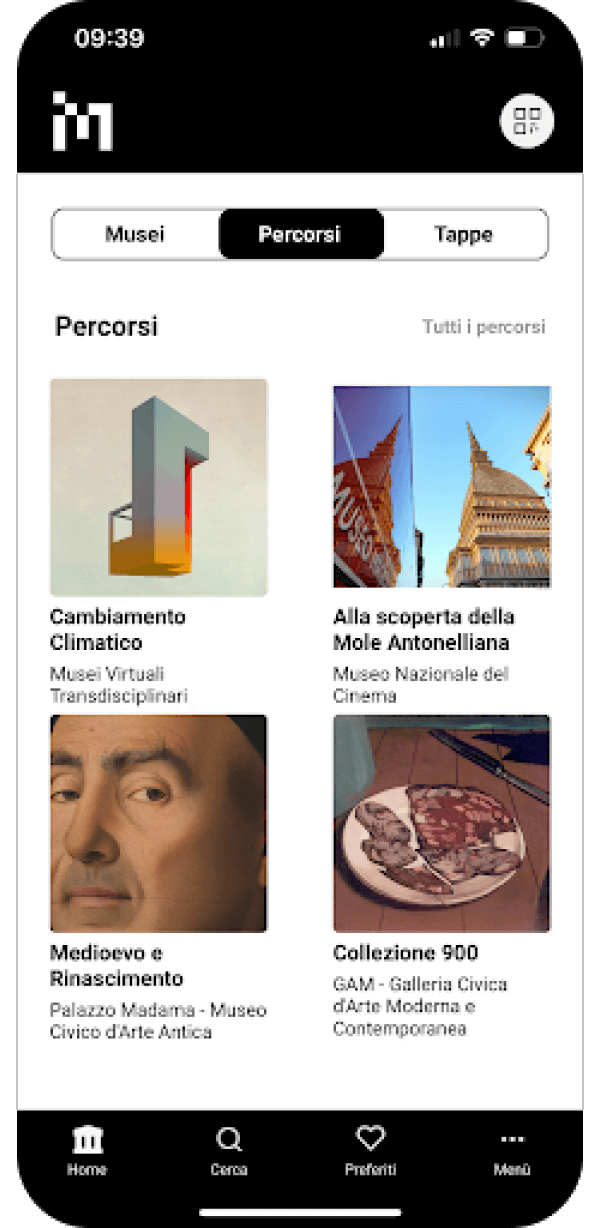
- “Museums” – allows the visitor to virtually explore the rooms and browse through all the exhibits. The function also allows the visitor to plan the visit by displaying previously chosen stops.
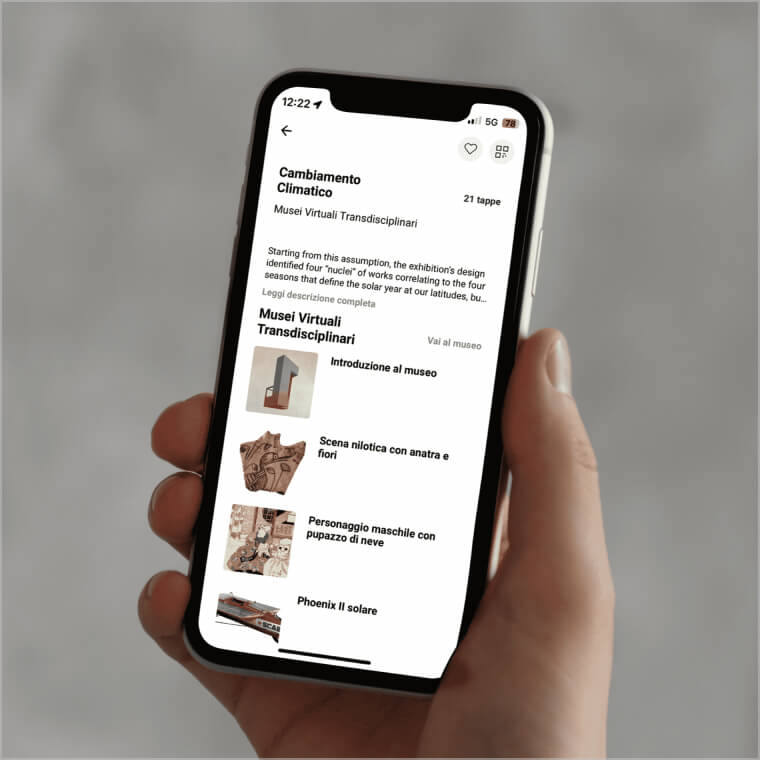
- “Routes” – the user chooses the museums, works or routes he or she prefers. Two types of routes are available: an intra-museum route (involving works from a single museum) and an inter-museum route (with works from several museums). Their management is regulated by DatoCMS, which allows the museum curator to have autonomy in editing their own content
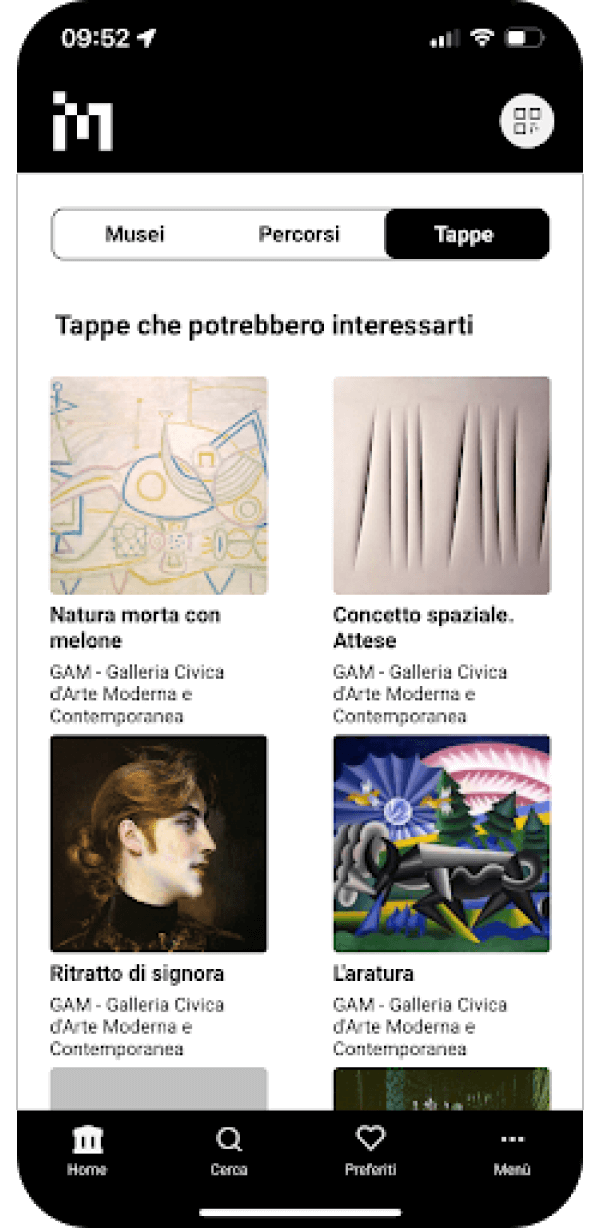
- “Stops” – Visitors can directly access artworks suggested by the app based on their interests.
I-Muse, developed with React Native, provides visitors access to information about exhibited artworks and routes through secure and anonymous interaction with sensors (iBeacons) present in museums. This solution enables effective analysis of how visitors engage with certain points of interest, allowing museums to improve their offerings accordingly. I-Muse is built on cloud and serverless technologies (AWS) to support the growing number of app users and coordinate all the data coming from the sensors and artificial intelligence algorithms.
The app features two key AI algorithms:
- CoreAI – Offers personalized information on artworks and museum routes;
- V-Predict – Predicts museum attendance based on historical data.
In addition, DatoCMS was used, allowing us to create text and multimedia content dynamically through modular blocks and customisable components. This data is then displayed within the apps, always up-to-date.
The DatoCMS API is able to deliver content via a content distribution network, whose datacentres are located all over the world. When a page request is made, the content is delivered to the user from the nearest server, making the response fast and with low latency.
The app interacts with Dropper.ai sensors (a dashboard showing real-time museum visits, dwell times and routes taken by visitors) and iBeacons (sensors that hook up to the phone’s Bluetooth and interact with the app providing useful information to the user approaching the work) positioned at key points in the museums in order to obtain valuable information on visitor flows and enables future predictions.
Finally, I-Muse includes the gaming function developed by the company Garycom, which allows visitors to play with the collections present using 7 different video games. The interactive experience is definitely immersive.
Results
As Vincenzo Mollisi (Postdoctoral researcher at the University of Turin and project contact person) argues:
“The project originated from a call for proposals funded by the Compagnia di San Paolo Foundation and aims to introduce artificial intelligence into museums. We are university researchers with an academic and not an entrepreneurial background: we had expertise in prediction and algorithms, but not in app creation. Synesthesia helped us by providing support in the development, contributing decisively to the completion of the project”.
Nadia Campaniello (Associate Professor of Economics at the University of Turin and Project Contact Person):
“We won the first edition of the Compagnia di San Paolo Foundation’s call for proposals on Artificial Intelligence in the ‘culture’ sector. Our project involved four departments: two from the Politecnico, the Department of Automation and Informatics and the Department of Architecture and Design, and two from the University of Turin, the Department of Economic-Social Sciences and Mathematics and the Department of Management. This is a very ambitious project involving eight museums, which together account for approximately 64% of visitors to the Turin area. Four associations also participated, including the Associazione Abbonamento Musei, the Osservatorio Culturale del Piemonte and the Big Data Analysis Lab of the City of Turin. One of the components of the project is the I-Muse app, developed in synergy with Synesthesia. We relied on Synesthesia because it is a growing company that also has many other museum-related projects. They will continue to support us in perfecting the app, and we hope that other collaborations will emerge in the future”.


To develop your project
How it all started
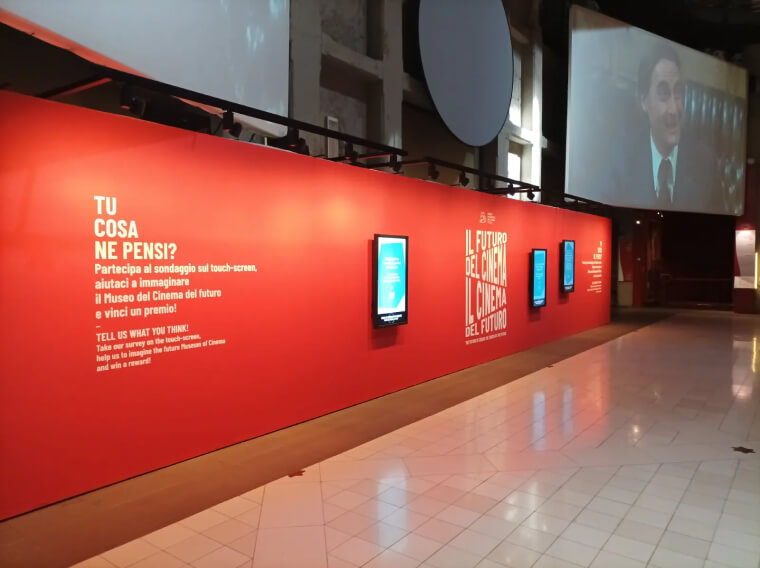
The history of cinema has been marked by significant changes and transformations, from the advent of sound films to the transition from black-and-white to color, from film reels to digital formats, and now streaming. But to what extent have these innovations influenced cinematic language? The National Museum of Cinema in Turin explored this question with a new exhibition titled “The Future of Cinema, the Cinema of the Future” hosted until September 7, 2023.
As Domenico De Gaetano, Director of the National Museum of Cinema, explained during the exhibition’s press presentation:
“The goal of this exhibition? To engage as much as possible with the Museum’s audience to better understand their expectations for the future”.
To achieve this, the Museum collaborated with Synesthesia to create an original project. At the top of the ramp winding around the walls of the Aula del Tempio in the Mole Antonelliana, visitors had the unique opportunity to co-write a cinematic script with Artificial Intelligence.
The solution
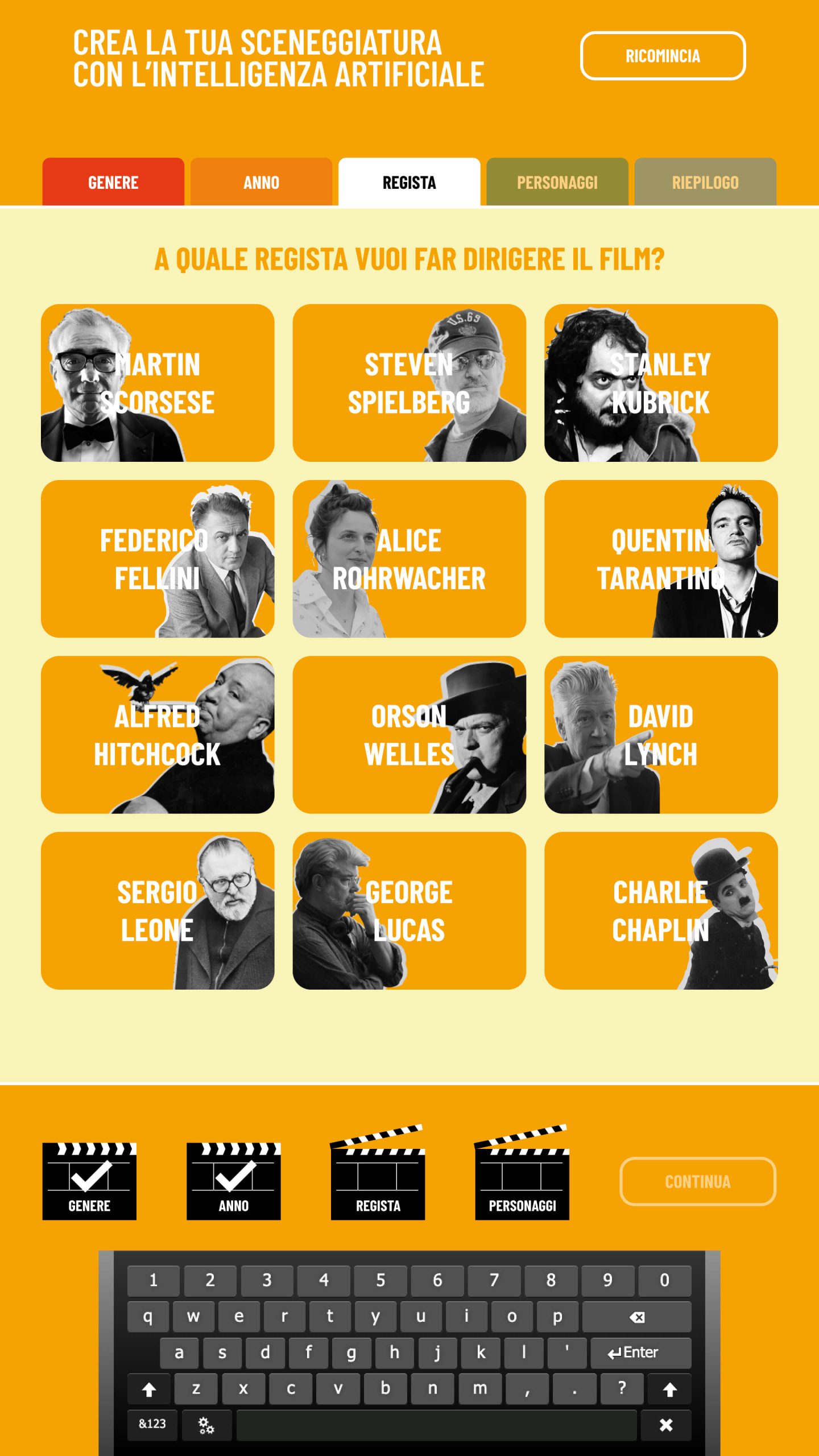
During the development phase, Synesthesia’s Technologies team integrated two AI services: one from OpenAI to generate the cinematic plot and another using Stable Diffusion to create the movie poster.
The solution enables visitors to use a large wall-mounted touchscreen to craft a 3,000-character plot set in the Mole Antonelliana, complete with a custom poster. Visitors begin by selecting the director, characters, and genre.
At the end of the experience, users receive their content via email and answer two simple questions: one about their perception of authorship (whether they feel they are the true author of the generated content) and another on whether the result met their expectations.
Results
The interactive experience proved to be highly engaging. As Fabrizio Dividi wrote in Corriere Torino:
“Thanks to the technology developed by Synesthesia, every visitor can generate a cinematic plot in just a few minutes, starting with the choice of the director (Tarantino seems to be the most popular), the protagonists, and the genre. The only rule is ‘unity of place,’ which in this case is the Mole Antonelliana. The result? A mix of wonder and amusement”.
Read Andrea Giordano’s article on Wired | Read Luca Indemini’s article on Italian Tech.
To develop your project
How it all started
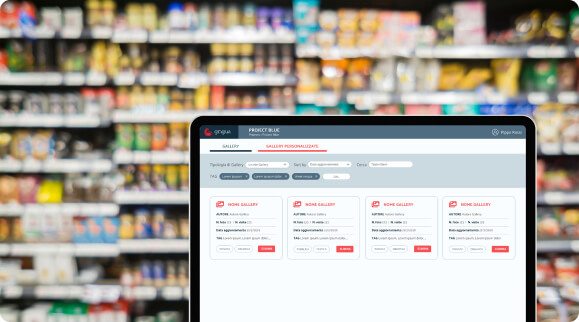
Hunter App by Grigua is an app dedicated to the retail world. The sector has been changing over the years: automation is increasing and more and more companies are moving towards new models of management for their stores. People are working in much more connected and optimized ecosystems.
The goal is to easily organize information from different sources according to a single common level of access: the point of sale.
The activity is part of the set of initiatives conducted for the partner Grigua.
Sales Tools AI
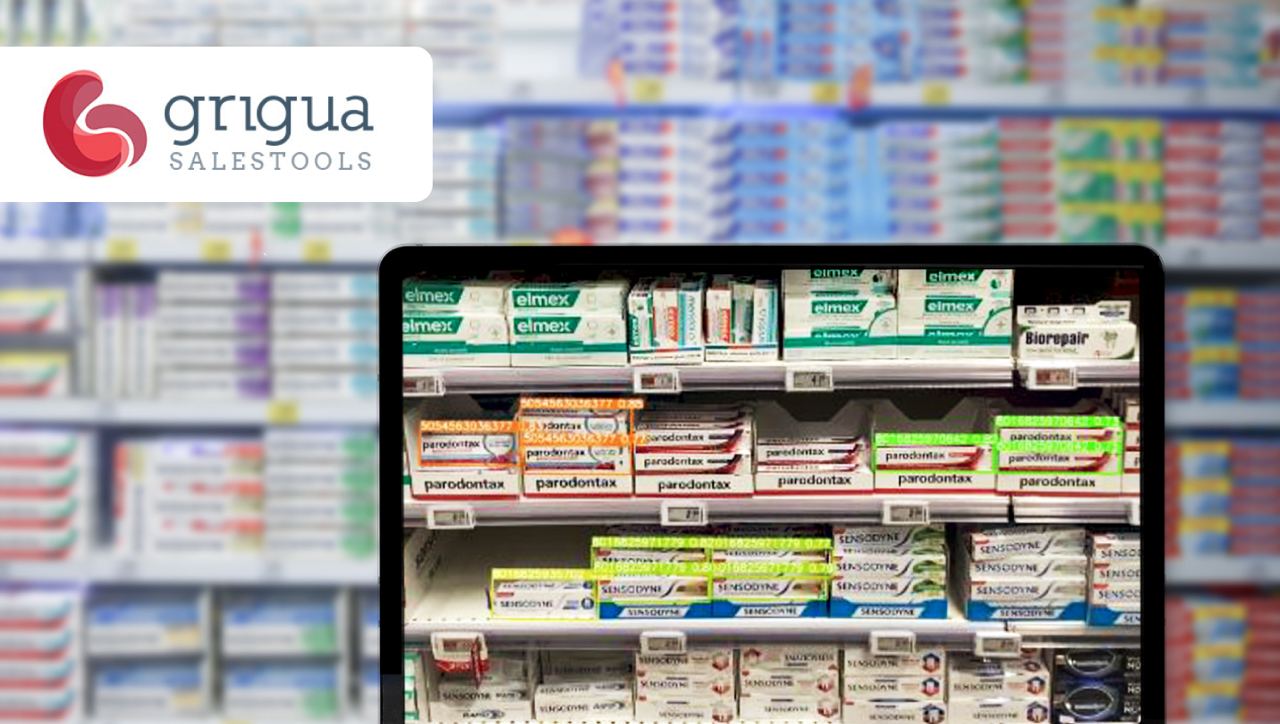
To provide effective and more informed support to sales networks, Grigua and Synesthesia launched the ‘Sales Tools AI‘ project in recent months, an innovative solution based on artificial intelligence and computer vision.
The Synesthesia AI team developed an artificial intelligence-based system that automates all shelf management operations in Mass Market and Pharma shops.
The developed solution provides a complete view of the data and its trend in real time. The benefits for users of the platform are several, but can be briefly listed as follows:
- Reduced tracking time;
- Reduction of errors;
- Increased point-of-sale profit.

To develop your project

How it all started
The project Children Digi-CORE addresses the issue of children rights, which is as relevant and important as ever. It does so through the design and creation of an intuitive and innovative app for awareness-raising, information and reporting, which allows children to report violations to the local ombudsmen.
Synesthesia takes care of the participatory co-design and development phase of the app.
The project, financed by the European Union, involves partners such as the University of Turin, the Piedmont Regional Council, the Agevolando association and the Hope for Children association.
The solution
The project focuses on the design and development of an app for children aged 12 to 17.
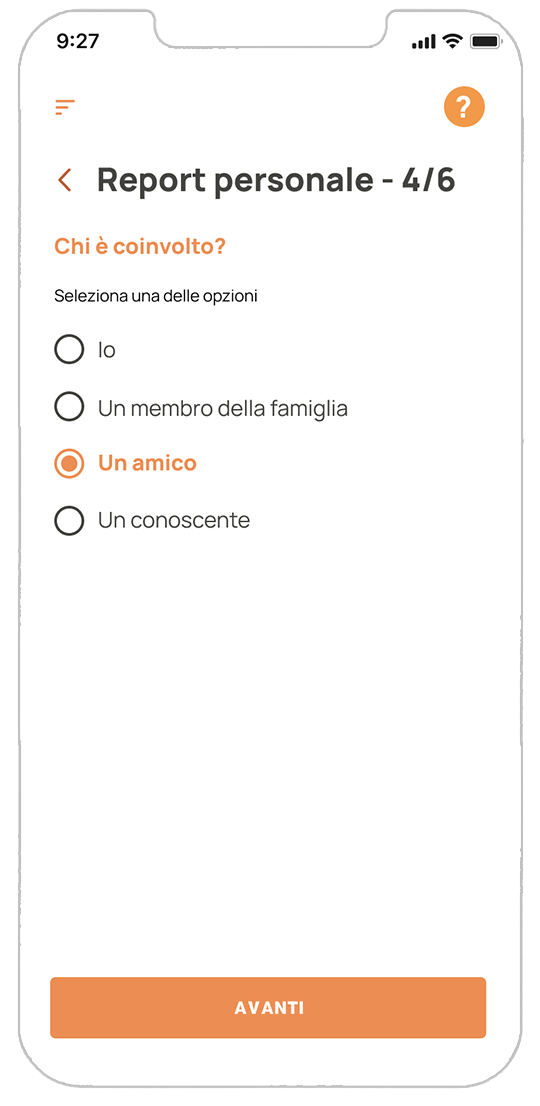
Mobile application, available on iOS and Android, provides understandable, rigorous, and detailed information on what constitutes a rights violation.
The user interface is simple and tailored to the target audience.
Young people are involved in the design phase (through targeted focus groups). The user experience is developed through “design thinking” activities and a design sprint, where final users and operators (selected by the University) collaborate with designers for rapid prototyping of the app.

Features and Characteristics
Children Digi-CORE represents an important opportunity to address current issues in a concrete way, promoting the well-being of young people. Today, it is essential to protect everyone’s future and spread awareness about the importance of respecting rights, especially those of the most vulnerable individuals.
To develop your app

How it all started
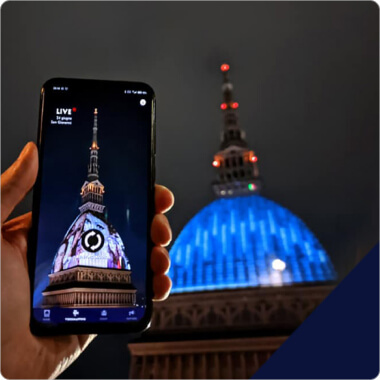
MNC XR, the mobile app of the Museo Nazionale del Cinema di Torino, was created with the aim of synchronizing the headphone audio with the video projected on the Mole Antonelliana for the occasion of the “Video Mapping Experience”, to celebrate the 20 years of the MNC.
Thanks to this mobile app solution it has been possible to translate the emotions of the history of cinema and the cinematographic culture that lives inside the Museum in an extraordinary digital experience, usable in an interactive and new way in the form of videomapping.
The solution
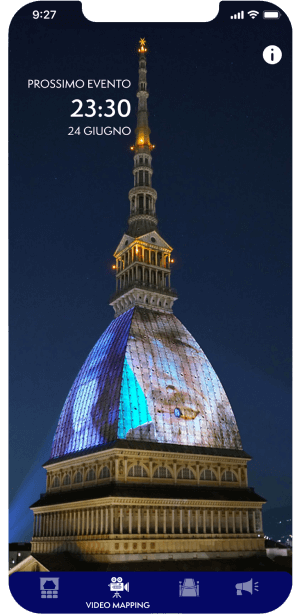
The mobile app “MNC XR,” developed by Synesthesia for the National Cinema Museum of Turin, consists of four main sections:
- The Homepage, which provides an overview of the National Cinema Museum, accompanied by multimedia content.
- “Videomapping” section, where users can find the audio track to listen to in sync with the images projected on the Mole Antonelliana during the event days.
- The Events page, where users can find the latest news and upcoming events at the Museum.
- A large section dedicated to partners and sponsors.
Results
The division into four clear and intuitive sections ensures a pleasant and engaging in-app experience for the user.
The ability to listen through the application to audio tracks synchronised with the visual projections allows users to enjoy an immersive digital experience of the highest quality.
To develop your app
How it all started
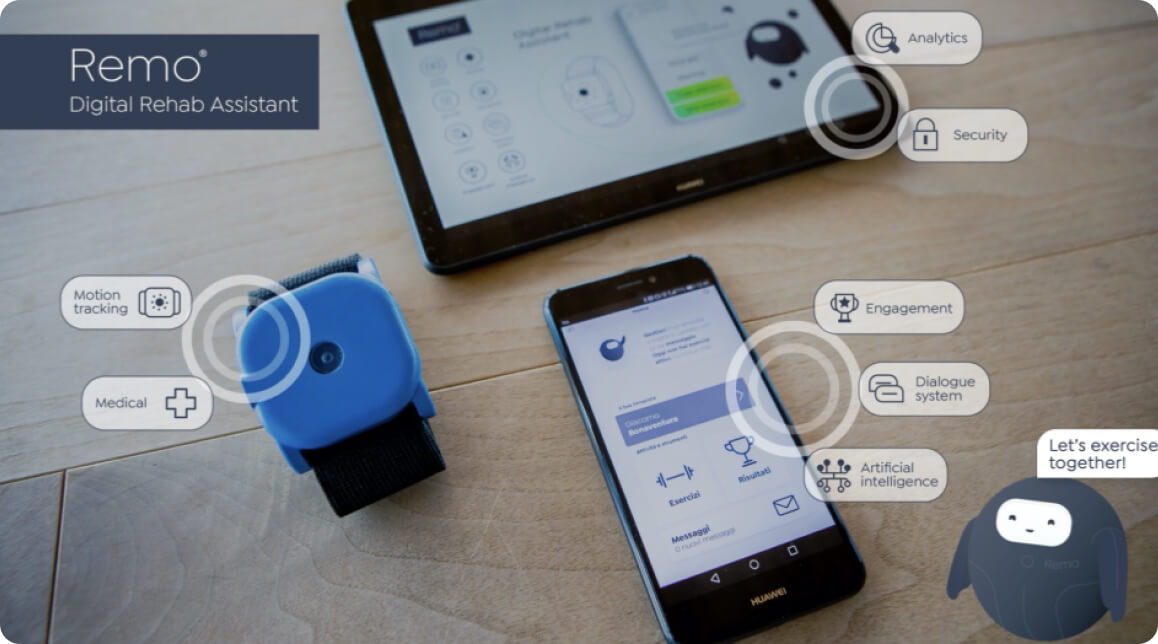
Morecognition, active in the field of physiotherapy, decided to invest in innovation with the app Remo.
To carry out the project with the support of Synesthesia, digital transformation strategies, marketing and development of digital applications were developed.
The solution
The Remo application supports patients throughout their rehabilitation journey.
- It records the exercises performed to set a baseline for correct movements.
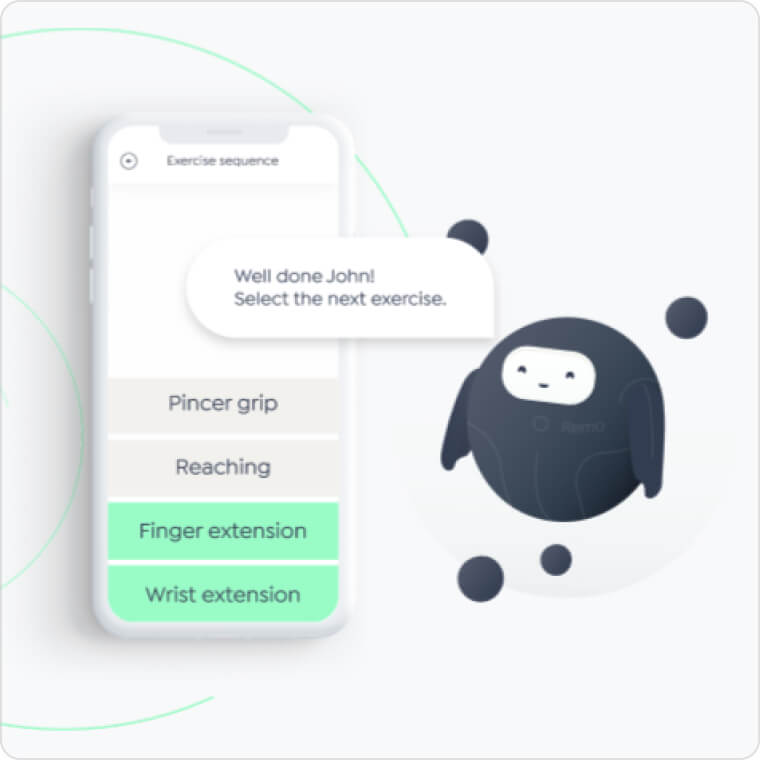
- It displays the movements to be completed and establishes physiotherapy cycles.
- It stores the patient’s movements to create a historical record.
- It features two video games to motivate users.
- It supports interaction with a virtual assistant (chatbot), personalized according to the patient’s profile.
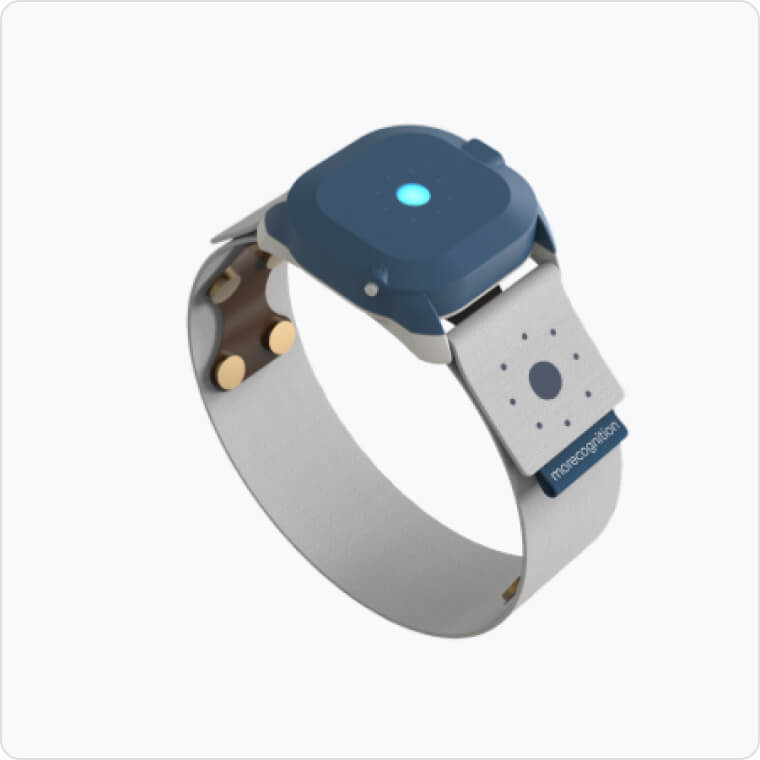
Additionally, to ensure the effective completion of therapy, the app is supported by an IoT device that monitors each exercise and sends the collected data to the app.
Results
Remo was tested in three clinical trials involving 148 patients undergoing rehabilitation. The results demonstrated significant motor recovery in the participants, as well as the regaining of autonomy in performing daily activities. The application was further improved based on feedback obtained through conversations with patients and medical staff.