To build an e-commerce website
How it all started
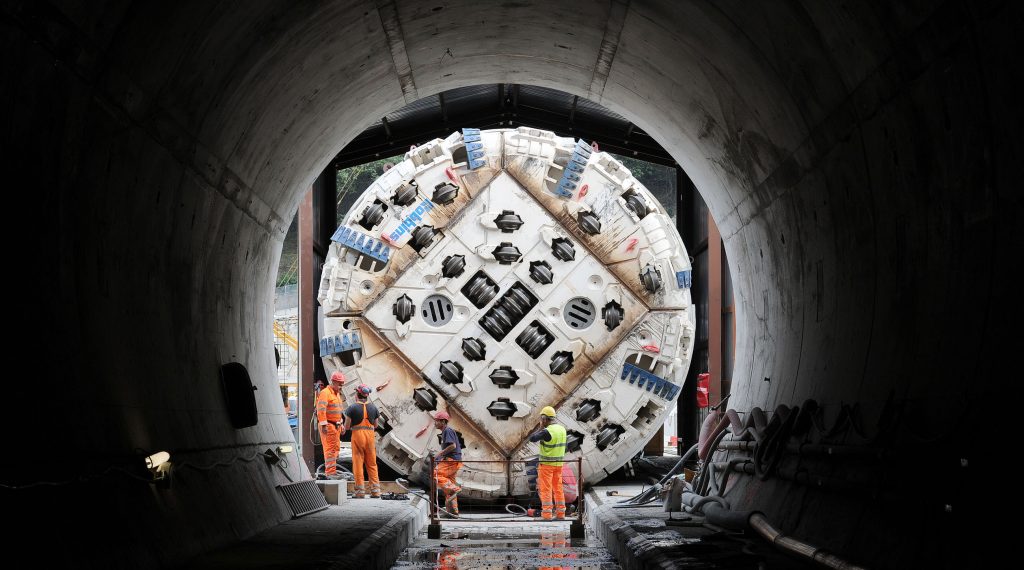
The project originated from the desire to narrate the construction story of the Mont Cenis base tunnel on the new Turin-Lyon railway line, one of the most ambitious and complex engineering projects of our time.
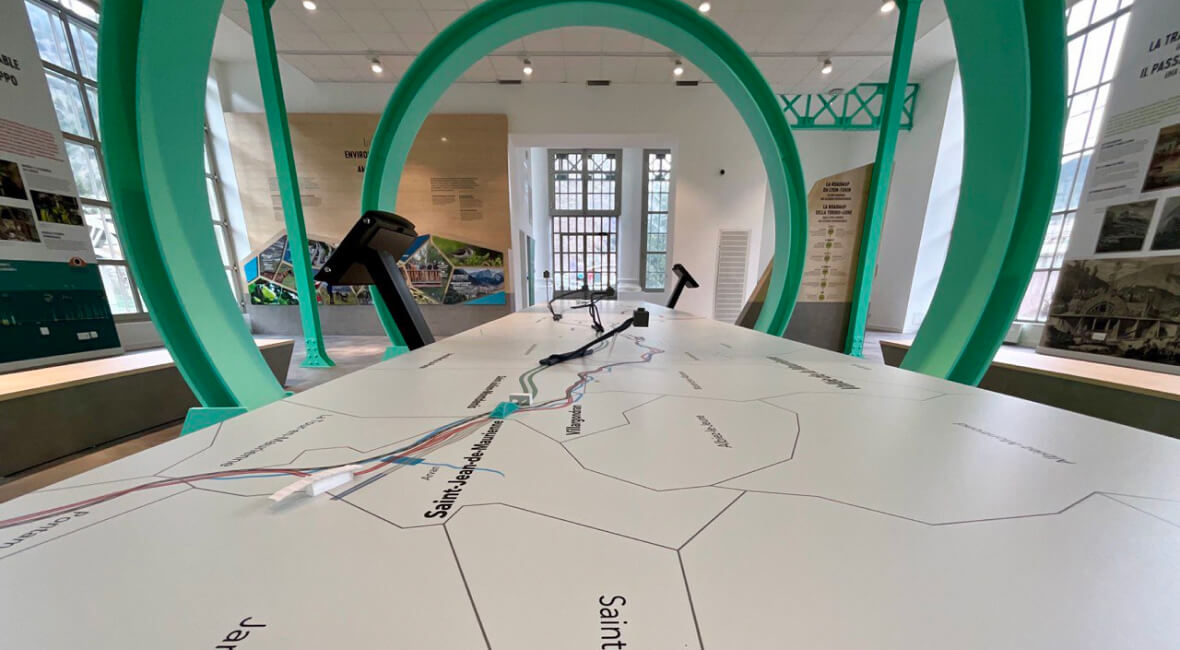
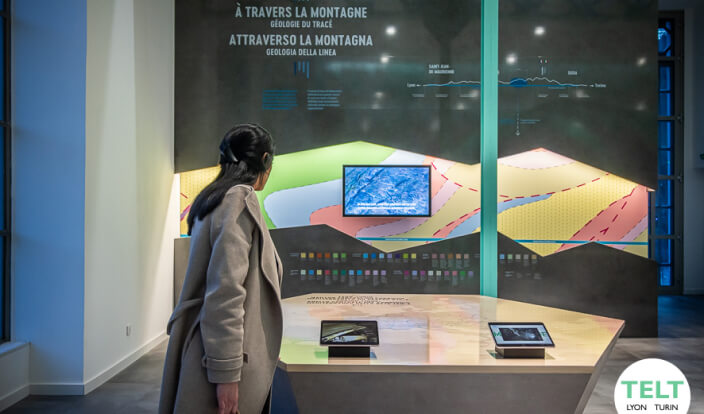
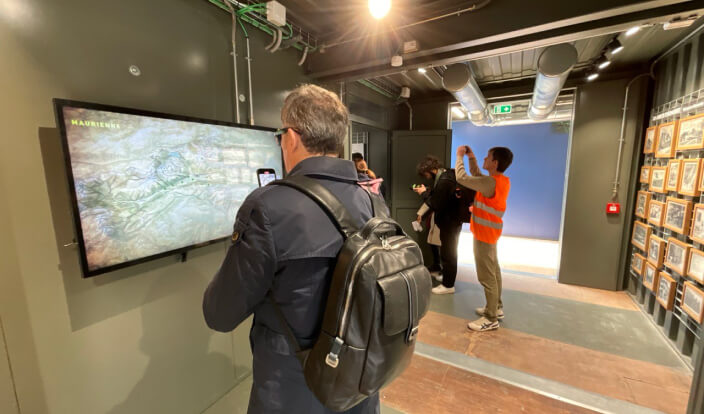
Through the installation of interactive totems placed in the visitor centers of Modane (France) and Chiomonte (Italy), the designed exhibitions aim to educate the public about every aspect of the creation of this engineering giant – from initial planning and geological studies to construction techniques and environmental challenges.
The project’s primary goal is twofold: to educate and inform visitors about the conception and execution of such large-scale projects, showcasing technological advancements and innovations in civil engineering, while also fostering stronger ties between local communities and the mission of TELT, the public promoter responsible for building the infrastructure. TELT’s mission emphasizes mobility, economic benefits, and environmental impacts. The decision to utilize interactive totems stemmed from the need to create an immersive and engaging experience that conveys the complexity and importance of the project in a direct and accessible manner to all visitors.
The solution
The project employed an exhibition solution that combines technology and interactivity to immerse visitors in the various phases of the project’s development. The adopted solution is divided into five main types of exhibitions, each designed to offer a unique and engaging experience.
The first two exhibitions are “gallery” types: video content is accessed through interaction with cards. This approach allows visitors to freely explore topics of interest by physically selecting cards that activate the corresponding multimedia content.
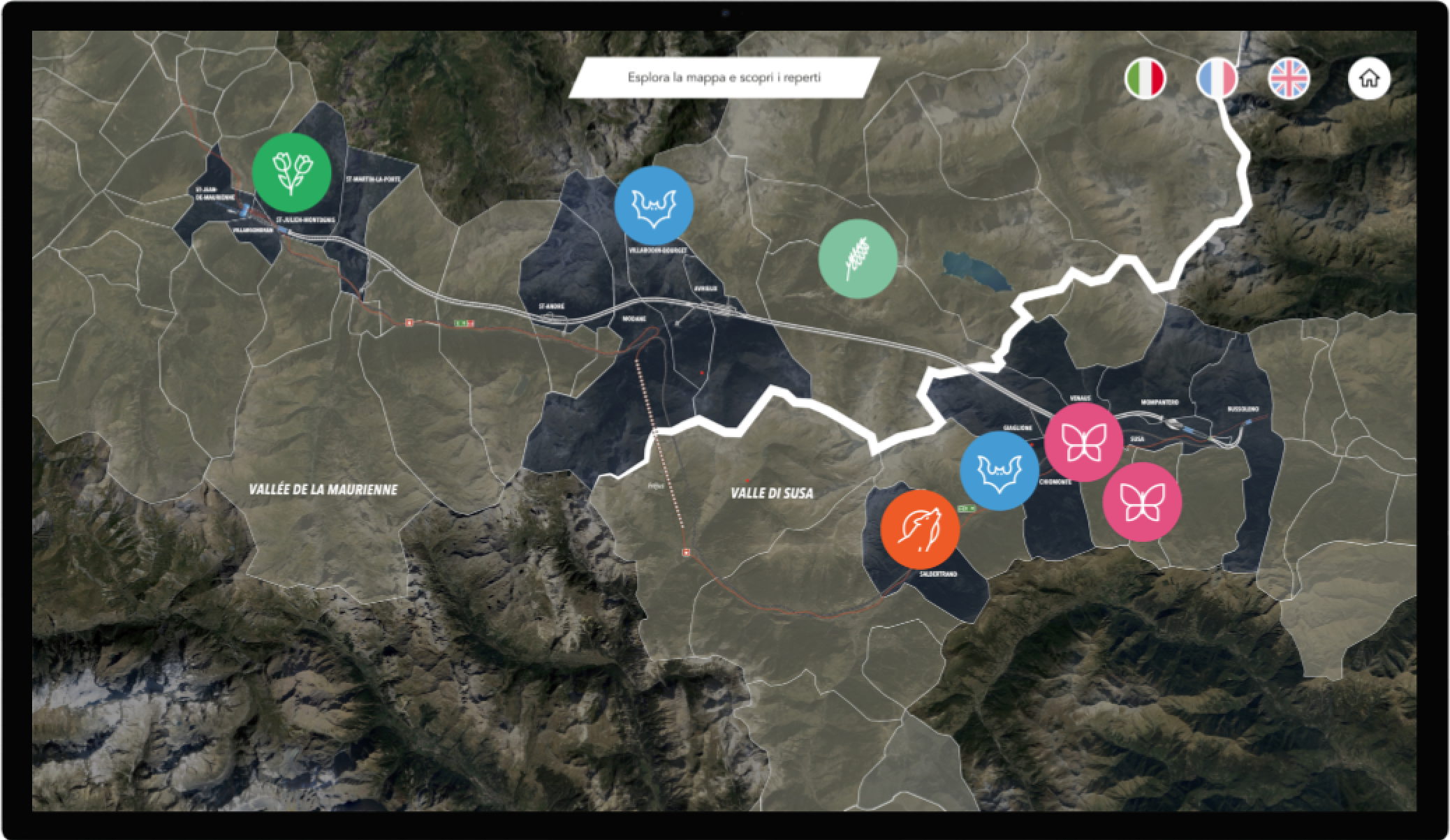
The next two exhibitions utilize a “map” format, where video content is accessed through pins on an interactive map. Thanks to georeferencing, visitors can simulate exploring various points of interest, and by selecting pins, they can view videos and specific information related to each location.
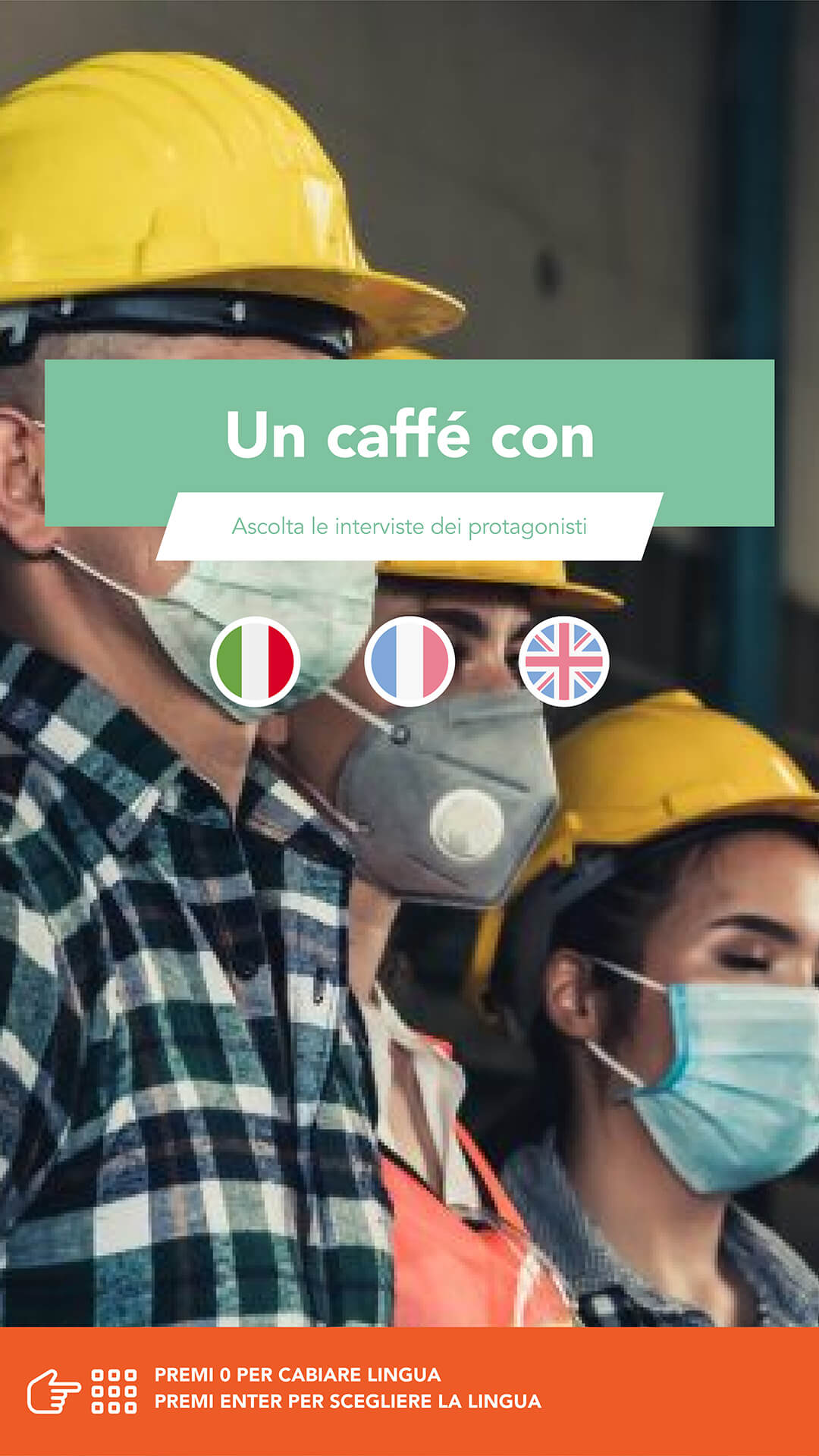
The final exhibition stands out for its originality: inspired by the functionality of a coffee machine, it features an analog keypad connected to the totem. Visitors interact with the keypad to intuitively select and view videos, much like choosing their preferred “blend” of content. This mode offers a playful and interactive experience, sparking curiosity and audience engagement.
To ensure autonomous content management and updates, a back office was created based on Directus, a headless CMS offering an intuitive and flexible interface. With Directus, content for the various exhibitions can be updated in real-time without requiring external technical assistance. This system provides significant autonomy in content management, ensuring the exhibition remains current and relevant.
In conclusion, the exhibition solution adopted for TELT represents an innovative balance of technology, interactivity, and managerial autonomy, providing visitors with an immersive and informative experience and the client with a powerful tool for storytelling and continuous content updates.
Results
TELT’s mission during the infrastructure’s construction phase encompasses all activities aimed at illustrating and understanding the project’s rationale, key technical challenges, environmental stewardship, and its economic and social impacts within the framework of sustainable development commitments.
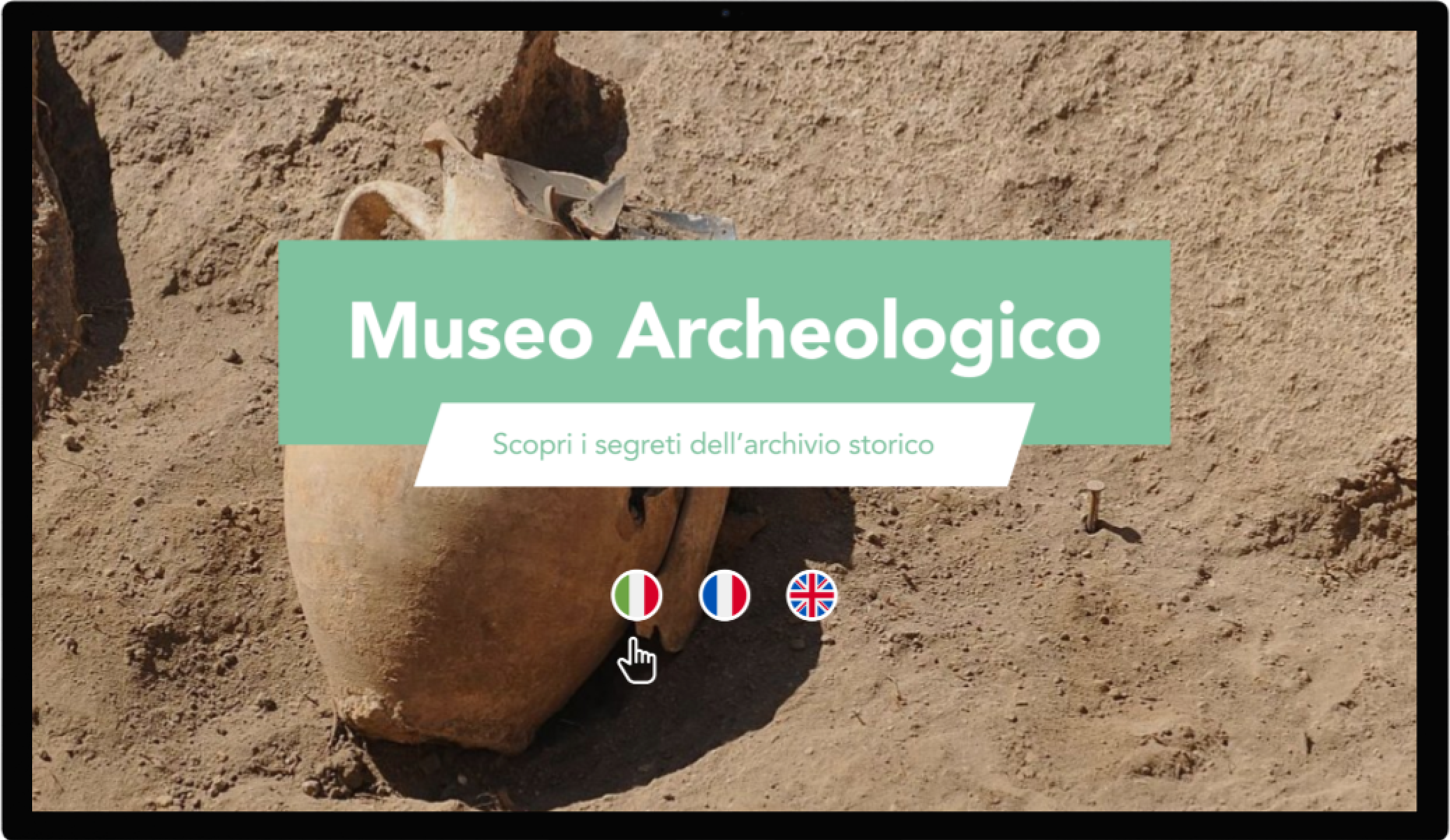
The complexity of the topics, the multilingual aspect (Italian, French, English), and the need to utilize multimedia materials prompted TELT’s Communication Department to seek a custom digital solution that was independently updatable and replicable across multiple spaces.
Synesthesia’s design and operational proposals effectively addressed TELT’s requirements. In 2024, TELT inaugurated the two visitor centers with operational exhibits, serving over 5,000 people annually.
Davide Fuschi – Deputy Communications and External Relations Director
To develop your app
How it all started
I-Muse project was born from a collaboration between the University of Turin and the Polytechnic University of Turin, supported by the Compagnia di San Paolo Foundation under the first edition of the “Artificial Intelligence” funding program.
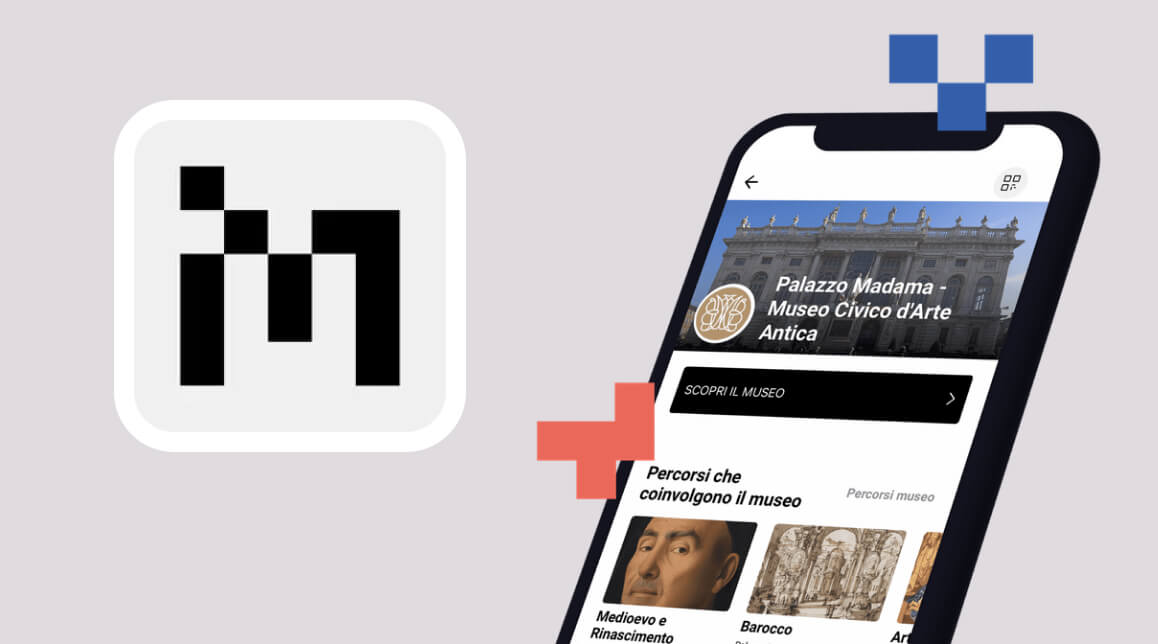
The mobile app, developed by Synesthesia, was created with the aim of revolutionising the visitor experience at eight of Turin’s most important museums: Reggia di Venaria Reale, Museo Egizio – Turin, Palazzo Madama, GAM – Civic Gallery of Modern and Contemporary Art, MAO – Museum of Oriental Art, National Cinema museum, National Automobile Museum, and Pinacoteca Giovanni e Marella Agnelli.
The solution
Synesthesia developed the mobile app‘s front end (available for iOS and Android) and its back end/office.
Artificial Intelligence (CoreAI), developed by the University of Turin and the Polytechnic University of Turin, plays a crucial role by creating an ideal itinerary for visitors. It selects and matches artworks based on preferences chosen via tags. The app also enables museums to modify information about exhibits (history and images of the artworks) in real time, enhancing interaction with visitors.
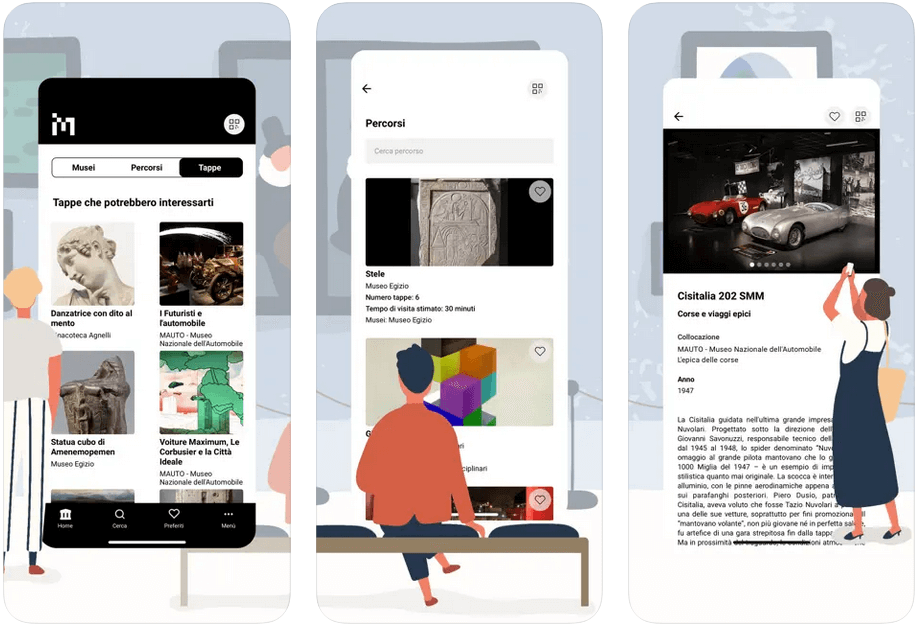
The app includes specific features across three main sections:
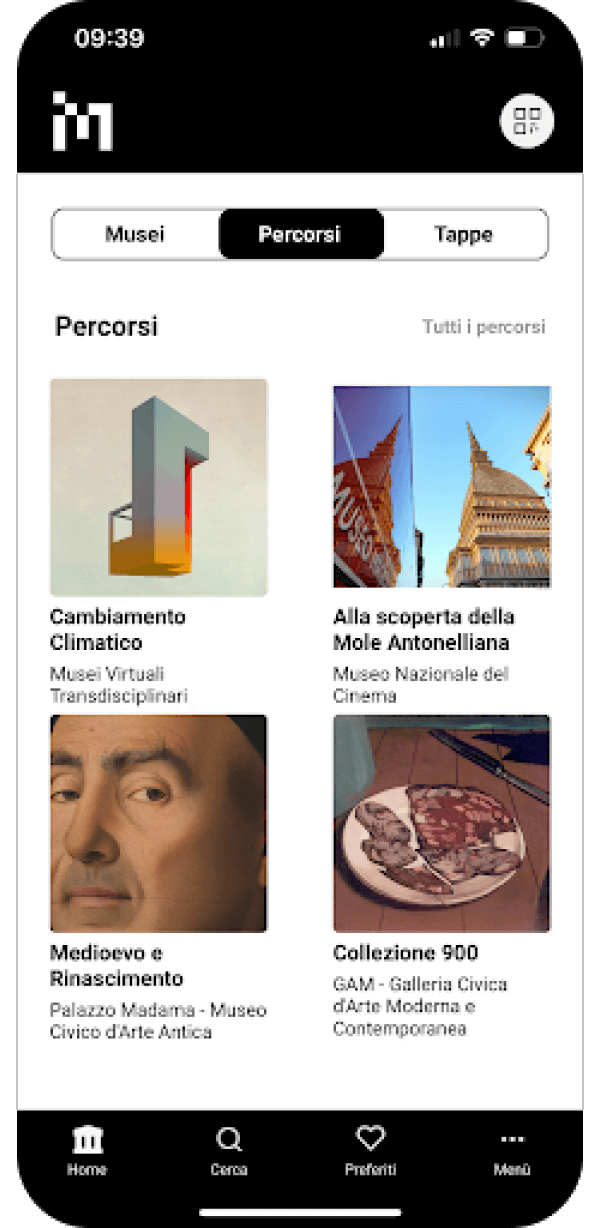
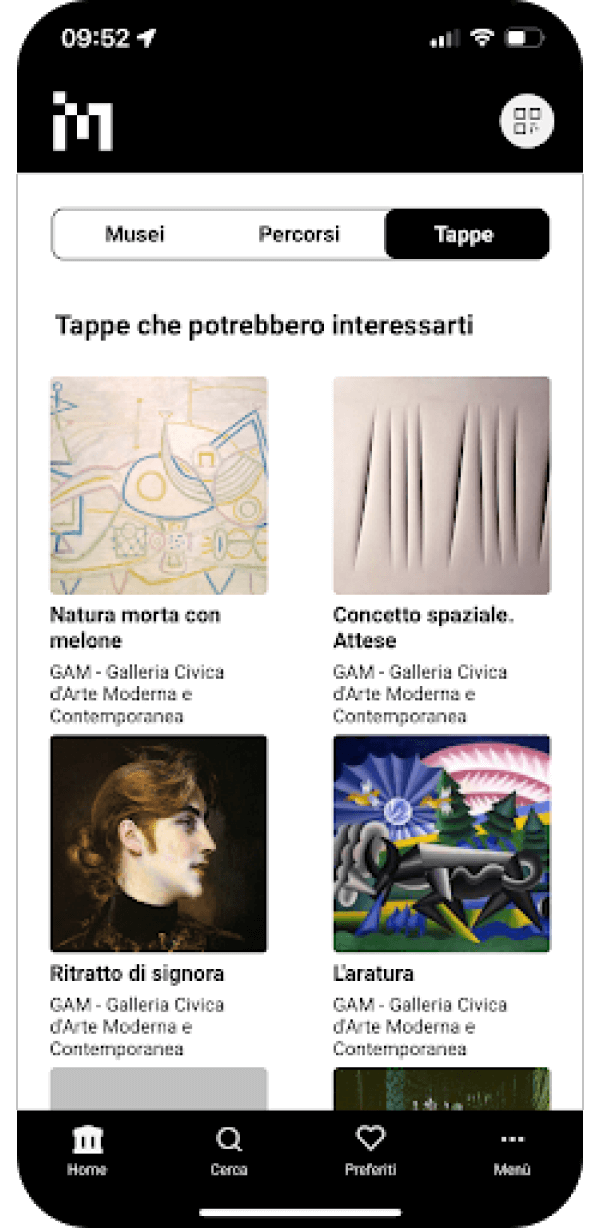
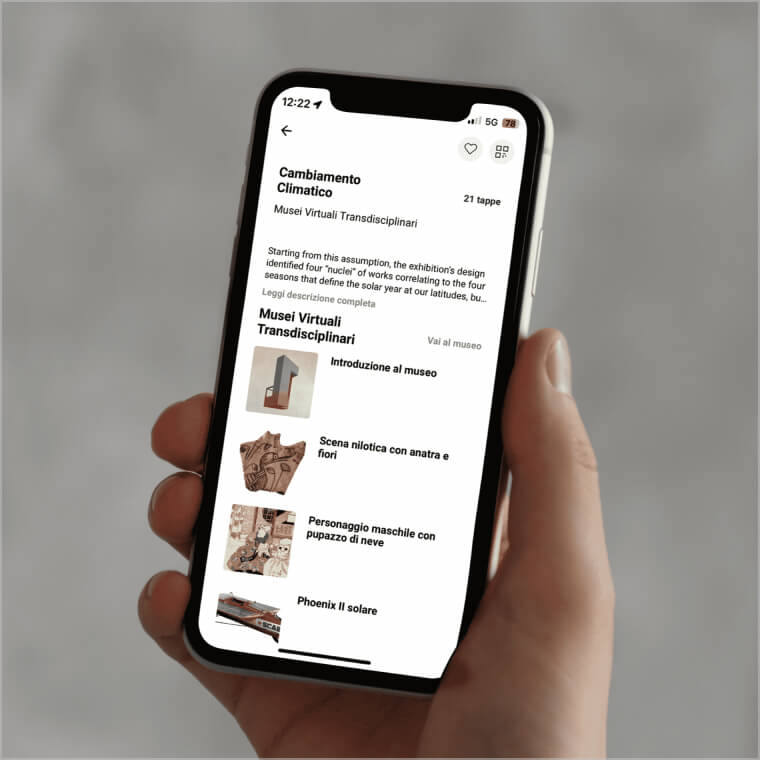
- “Museums” – allows the visitor to virtually explore the rooms and browse through all the exhibits. The function also allows the visitor to plan the visit by displaying previously chosen stops.
- “Routes” – the user chooses the museums, works or routes he or she prefers. Two types of routes are available: an intra-museum route (involving works from a single museum) and an inter-museum route (with works from several museums). Their management is regulated by DatoCMS, which allows the museum curator to have autonomy in editing their own content
- “Stops” – Visitors can directly access artworks suggested by the app based on their interests.
I-Muse, developed with React Native, provides visitors access to information about exhibited artworks and routes through secure and anonymous interaction with sensors (iBeacons) present in museums. This solution enables effective analysis of how visitors engage with certain points of interest, allowing museums to improve their offerings accordingly. I-Muse is built on cloud and serverless technologies (AWS) to support the growing number of app users and coordinate all the data coming from the sensors and artificial intelligence algorithms.
The app features two key AI algorithms:
- CoreAI – Offers personalized information on artworks and museum routes;
- V-Predict – Predicts museum attendance based on historical data.
In addition, DatoCMS was used, allowing us to create text and multimedia content dynamically through modular blocks and customisable components. This data is then displayed within the apps, always up-to-date.
The DatoCMS API is able to deliver content via a content distribution network, whose datacentres are located all over the world. When a page request is made, the content is delivered to the user from the nearest server, making the response fast and with low latency.
The app interacts with Dropper.ai sensors (a dashboard showing real-time museum visits, dwell times and routes taken by visitors) and iBeacons (sensors that hook up to the phone’s Bluetooth and interact with the app providing useful information to the user approaching the work) positioned at key points in the museums in order to obtain valuable information on visitor flows and enables future predictions.
Finally, I-Muse includes the gaming function developed by the company Garycom, which allows visitors to play with the collections present using 7 different video games. The interactive experience is definitely immersive.
Results
As Vincenzo Mollisi (Postdoctoral researcher at the University of Turin and project contact person) argues:
“The project originated from a call for proposals funded by the Compagnia di San Paolo Foundation and aims to introduce artificial intelligence into museums. We are university researchers with an academic and not an entrepreneurial background: we had expertise in prediction and algorithms, but not in app creation. Synesthesia helped us by providing support in the development, contributing decisively to the completion of the project”.
Nadia Campaniello (Associate Professor of Economics at the University of Turin and Project Contact Person):
“We won the first edition of the Compagnia di San Paolo Foundation’s call for proposals on Artificial Intelligence in the ‘culture’ sector. Our project involved four departments: two from the Politecnico, the Department of Automation and Informatics and the Department of Architecture and Design, and two from the University of Turin, the Department of Economic-Social Sciences and Mathematics and the Department of Management. This is a very ambitious project involving eight museums, which together account for approximately 64% of visitors to the Turin area. Four associations also participated, including the Associazione Abbonamento Musei, the Osservatorio Culturale del Piemonte and the Big Data Analysis Lab of the City of Turin. One of the components of the project is the I-Muse app, developed in synergy with Synesthesia. We relied on Synesthesia because it is a growing company that also has many other museum-related projects. They will continue to support us in perfecting the app, and we hope that other collaborations will emerge in the future”.


To develop your project
How it all started
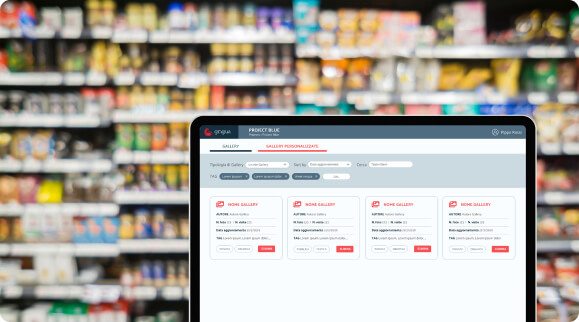
Hunter App by Grigua is an app dedicated to the retail world. The sector has been changing over the years: automation is increasing and more and more companies are moving towards new models of management for their stores. People are working in much more connected and optimized ecosystems.
The goal is to easily organize information from different sources according to a single common level of access: the point of sale.
The activity is part of the set of initiatives conducted for the partner Grigua.
Sales Tools AI
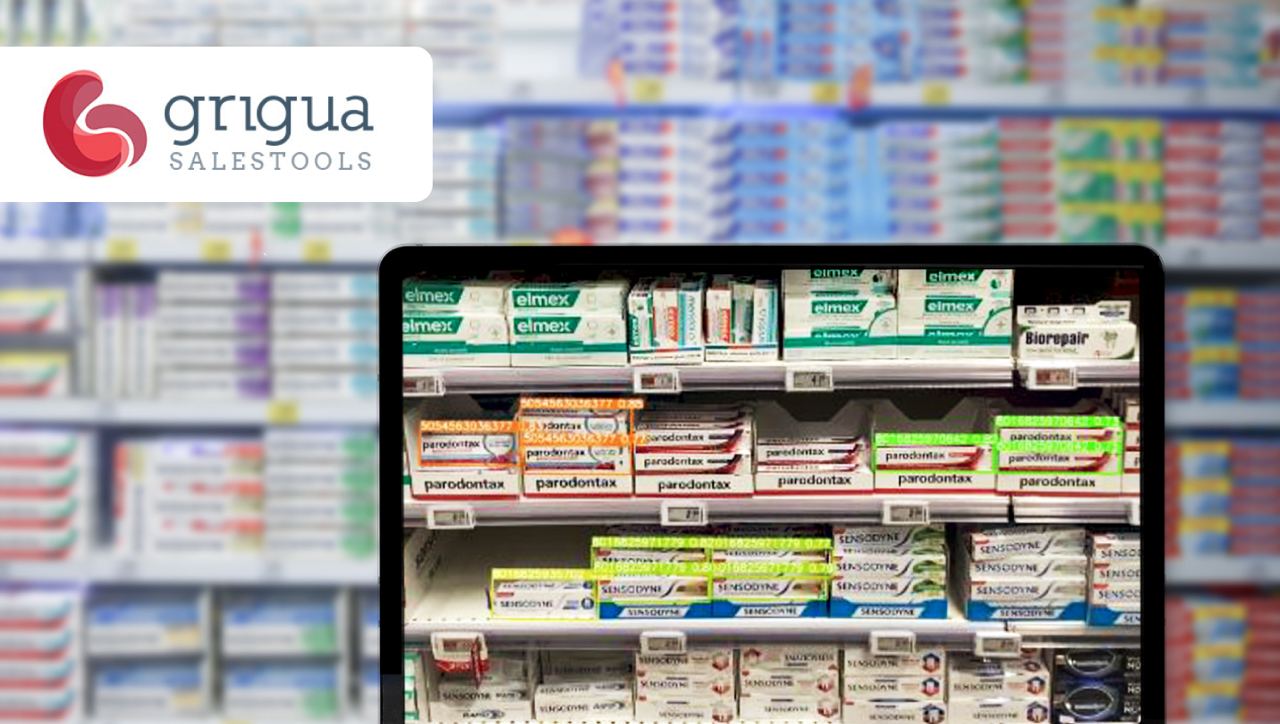
To provide effective and more informed support to sales networks, Grigua and Synesthesia launched the ‘Sales Tools AI‘ project in recent months, an innovative solution based on artificial intelligence and computer vision.
The Synesthesia AI team developed an artificial intelligence-based system that automates all shelf management operations in Mass Market and Pharma shops.
The developed solution provides a complete view of the data and its trend in real time. The benefits for users of the platform are several, but can be briefly listed as follows:
- Reduced tracking time;
- Reduction of errors;
- Increased point-of-sale profit.

To develop your app
How it all started
Founded in 2016, Twinkly is an Italian company and a global leader in the smart decorative lighting field, marketing its products in more than 40 countries worldwide. Its wide range of products offers solutions for homes (indoor or outdoor), offices, and premises with smart lights.
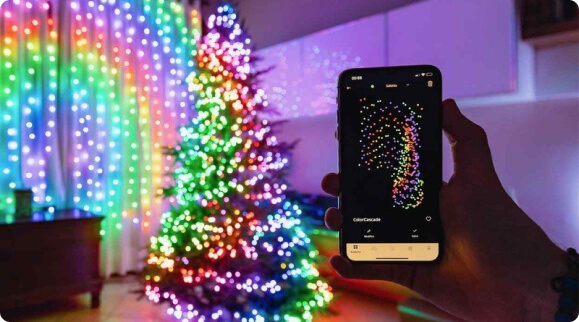
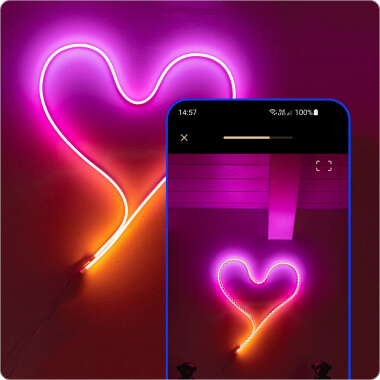
An unlimited combination of colors and light effects can be programmed by smartphone or voice assistant.
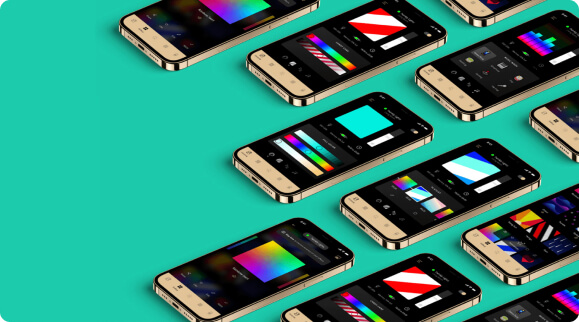
The features of the Twinkly app are numerous for each type of product (Strings, Clusters, Curtains, Pre-lit Trees, Icicles, Flexes, Lines, Dots, Squares):
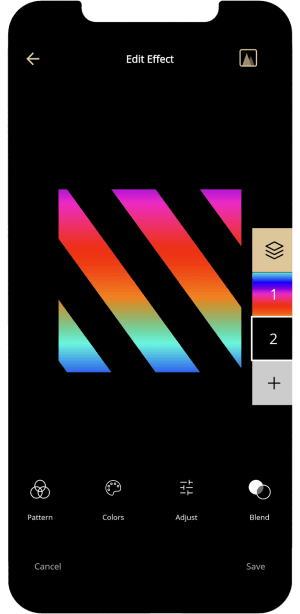
- Variety of choices for effects and colours
- Different intensity and speed of effects
- Switching on and off remotely
- Possibility to associate the app with voice assistant
- Creating playlists of light effects
- Light sync – music through Twinkly Music microphone
The solution
Twinkly and Synesthesia have collaborated to innovate the home decoration and entertainment sector through an app that allows users to configure and customize their light decorations. Special effects and animations are created directly from the smartphone.
Synesthesia developed the Android (native) version of the Twinkly app. In its latest versions, the app has been optimized and expanded with additional functionalities:
- New light effects
- Enhancements for smoother app usage (from user experience to overall responsiveness)
- Synchronization of LED lights with music. The Twinkly Music USB microphone decodes any sound source in real time (music, voices, laughter, or applause) and translates it into a combined audiovisual experience.
Results
As of January 2022, the Android app had been downloaded by over 200,000 users and received more than 10,000 reviews on Google Play, with a rating of 4.3.
To develop your app
How it all started
Morecognition, active in the field of physiotherapy, decided to invest in innovation with the app Remo.
To carry out the project with the support of Synesthesia, digital transformation strategies, marketing and development of digital applications were developed.
The solution
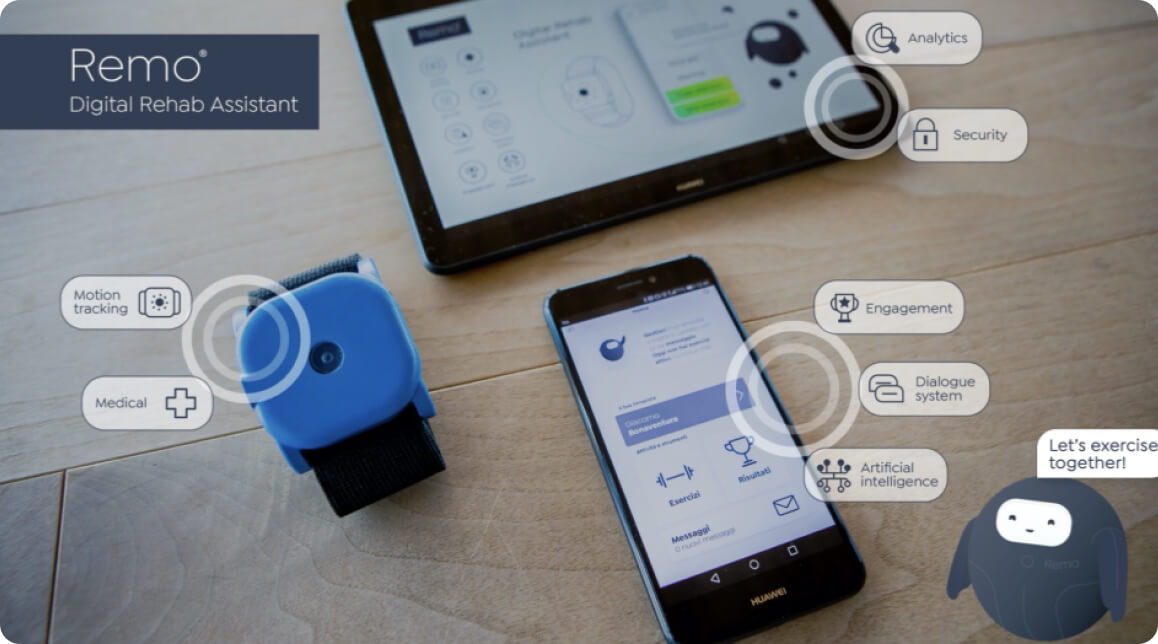
The Remo application supports patients throughout their rehabilitation journey.
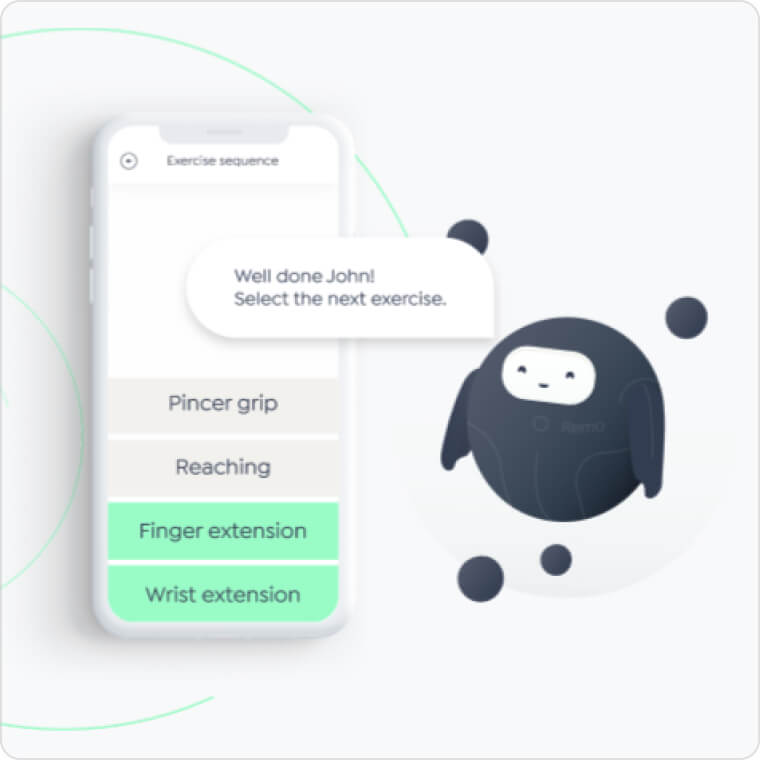
- It records the exercises performed to set a baseline for correct movements.
- It displays the movements to be completed and establishes physiotherapy cycles.
- It stores the patient’s movements to create a historical record.
- It features two video games to motivate users.
- It supports interaction with a virtual assistant (chatbot), personalized according to the patient’s profile.
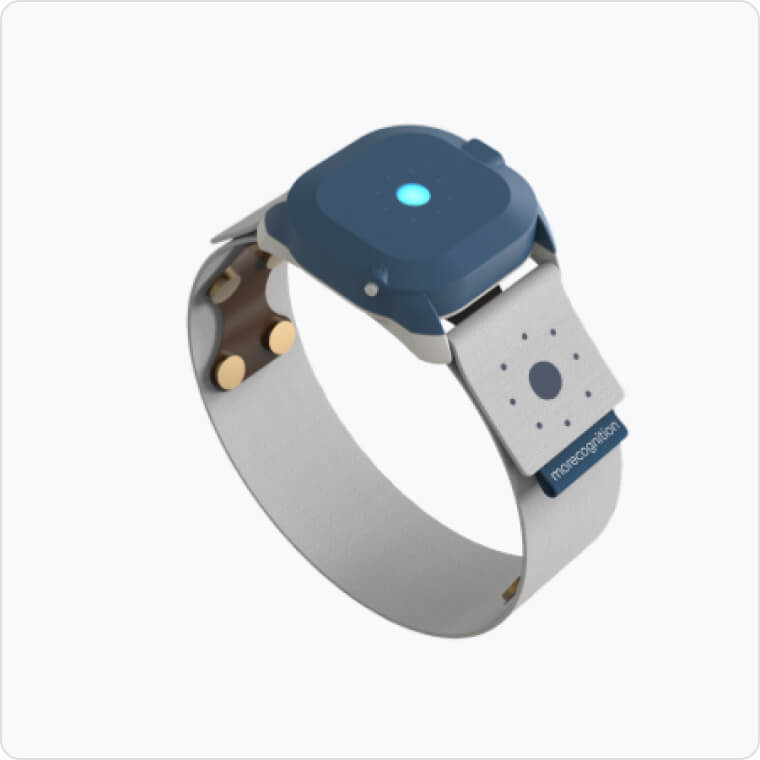
Additionally, to ensure the effective completion of therapy, the app is supported by an IoT device that monitors each exercise and sends the collected data to the app.
Results
Remo was tested in three clinical trials involving 148 patients undergoing rehabilitation. The results demonstrated significant motor recovery in the participants, as well as the regaining of autonomy in performing daily activities. The application was further improved based on feedback obtained through conversations with patients and medical staff.